
In Stock Cell Lines
Homo sapiens (Human)
Eye (retina)
Adherent
The GLI1 Knockout ARPE-19 Cell Line is a CRISPR/Cas9-edited knockout model of the human retinal pigment epithelial cell line ARPE-19, featuring targeted disruption of the GLI1 gene. GLI1 encodes a zinc finger transcription factor that acts as the major effector of Hedgehog signaling, regulating proliferation and survival genes such as CCND1 and MYC downstream of SMO and SUFU. This cell line provides a physiologically relevant platform for studying GLI1-mediated transcription in RPE biology, investigating Hedgehog pathway contributions to cancer and developmental disorders, and screening molecules that modulate GLI1 activity. Ideal for RT-qPCR, Western blot, reporter assays, and functional studies.
 CUEDC2 Knockout HT29 Polyclonal Cells
Cat. No. ARG14767
CGGBP1 Knockout HT29 Polyclonal Cells
Cat. No. ARG14197
NTMT1 Knockout jurkat Polyclonal Cells
Cat. No. ARG13186
KLF4 Knockout HEK293T Polyclonal Cells
Cat. No. ARG38116
DTD1 Knockout HGC-27 Polyclonal Cells
Cat. No. ARG39870
CUEDC2 Knockout HT29 Polyclonal Cells
Cat. No. ARG14767
CGGBP1 Knockout HT29 Polyclonal Cells
Cat. No. ARG14197
NTMT1 Knockout jurkat Polyclonal Cells
Cat. No. ARG13186
KLF4 Knockout HEK293T Polyclonal Cells
Cat. No. ARG38116
DTD1 Knockout HGC-27 Polyclonal Cells
Cat. No. ARG39870
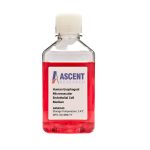 Human Esophageal Microvascular Endothelial Cell Medium
Cat. No. ARM0040
Human Esophageal Microvascular Endothelial Cell Medium
Cat. No. ARM0040
The GLI1 Knockout ARPE-19 Cell Line is a CRISPR/Cas9-mediated gene disruption model derived from the ARPE-19 spontaneously immortalized human retinal pigment epithelial cell line. This product provides a targeted loss-of-function allele of GLI1, enabling precise investigation of GLI1-dependent transcriptional regulation within the Hedgehog signaling pathway. The knockout cell line serves as a defined genetic tool for exploring GLI1-associated cellular functions in a retinal pigment epithelial context.
ARPE-19 cells are a well-characterized human RPE model that forms polarized monolayers with barrier and phagocytic properties, closely mimicking native RPE. They originate from a normal adult donor and are spontaneously immortalized, retaining key differentiated features without exogenous transformation. This line is widely employed to study retinal epithelial biology, including tight junction assembly, transepithelial transport, and response to oxidative stress.
GLI1 encodes a zinc finger transcription factor that serves as the primary effector of canonical Hedgehog signaling. In the absence of ligand, GLI1 is repressed by SUFU, PTCH1, and PKA-mediated mechanisms. Upon SHH binding to PTCH1, SMO is derepressed, leading to signal propagation that alleviates SUFU inhibition. Activated GLI1 translocates to the nucleus and directly regulates target genes such as PTCH1, HHIP, CCND1, MYC, and BCL2, driving cellular proliferation and survival. GLI1 interacts with SUFU, KIF7, and STK36, and functions alongside GLI2 and GLI3 to fine-tune pathway output.
In RPE, Hedgehog signaling contributes to maintenance of the epithelial phenotype and may modulate epithelial-mesenchymal transitions. GLI1 knockout in ARPE-19 cells permits dissection of GLI1-specific roles in RPE cell cycle regulation, phagocytic activity, and barrier function. This model is valuable for understanding how dysregulated Hedgehog activity might promote pathological processes such as proliferative vitreoretinopathy or contribute to retinal degeneration. By removing GLI1, researchers can isolate its function from other pathway components in a biologically relevant epithelial setting.
Applications encompass mechanistic studies of Hedgehog signaling, GLI1-mediated transcriptional control, and tumorigenesis research linked to basal cell carcinoma and medulloblastoma. Typical assays include RT-qPCR for GLI1 and target gene expression, Western blot for protein abundance, immunofluorescence for subcellular localization, and GLI-responsive luciferase reporters. Proliferation and migration assays enable functional assessment. The cell line is also suited for drug screening against Hedgehog components. For further information or to place an order, please contact Ascent Research.

