Warning: Constant WP_DEBUG already defined in /www/wwwroot/ovaryresearch.com/wp-config.php on line 103

Warning: Constant WP_DEBUG_LOG already defined in /www/wwwroot/ovaryresearch.com/wp-config.php on line 104

Warning: Constant WP_DEBUG_DISPLAY already defined in /www/wwwroot/ovaryresearch.com/wp-config.php on line 105
Sensory Organs | Product categories | ovaryresearch.com
Home / Products / Sensory Organs

Sensory Organs

The main sensory organs in the body are eyes, nose, ears, tongue and skin, responsible for the sense: sight, hearing, smell, taste, and touch, respectively. These sensory organs comprise sensory receptors and accessory structures, which work together to convert external stimuli to nerve impulses. These nerve impulses are then transmitted into brain through nervous system for processing and integration, enabling perception and response to the external environment.

In this category, we mainly focus on eye-related sensory cell models, including a broad range of retinal cells and anterior segment cell types used in vision research and ocular disease modeling. Available cell types include retinal ganglion cells, retinal pigment epithelial cells (RPE cells), and vascular components such as human retinal microvascular endothelial cells, which are essential for studies of retinal function, degeneration, and diabetic retinopathy. Additional retinal-supporting populations include retinal astrocytes and retinal microglia.

For corneal and anterior eye research, we provide human corneal epithelial cells and human corneal endothelial cells, as well as human lens epithelial cells for studies of corneal biology, transparency, wound healing, and cataract formation. Glaucoma and aqueous humor outflow research is supported by trabecular meshwork models, including human trabecular meshwork cells. Together, these specialized ocular cell models enable advanced research in ophthalmology, sensory biology, drug development, and ocular toxicity assessment.
Showing 12 of 94 results

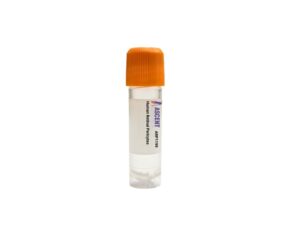
Human Retinal Pericytes

Human retinal pericytes are specialized mural cells that support retinal microvasculature, regulate blood flow, maintain the blood-retinal barrier, and contribute to angiogenesis. They play a…
Cat. No. ARP1199

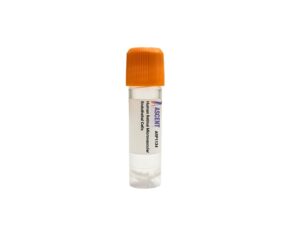
Human Retinal Microvascular Endothelial Cells

Human Retinal Microvascular Endothelial Cells are endothelial cells freshly isolated from eye (retina). For more detailed donor information, please contact us.
Cat. No. ARP1134

Rabbit Retinal Müller Cells

Research on the Rabbit Retinal Müller Cells is essential to the study of glaucoma, diabetic retinopathy, diabetic macular edema, proliferative vitreoretinopathy, retinal ischemia-reperfusion injury, retinal…
Cat. No. ARP0886

Mouse Retinal Müller Cells

Research on the Mouse Retinal Müller Cells is essential to the study of glaucoma, diabetic retinopathy, diabetic macular edema, proliferative vitreoretinopathy, retinal ischemia-reperfusion injury, retinal…
Cat. No. ARP0641

Rat Retinal Müller Cells

Research on the Rat Retinal Müller Cells is essential to the study of glaucoma, diabetic retinopathy, diabetic macular edema, proliferative vitreoretinopathy, retinal ischemia-reperfusion injury, retinal…
Cat. No. ARP0399

Guinea Pig Ciliary Muscle Cells

Research on the Guinea Pig Ciliary Muscle Cells is essential to the study of presbyopia, accommodative dysfunction, cyclitis, and pharmacological paralysis studies. The ciliary muscle…
Cat. No. ARP0984

Guinea Pig Scleral Fibroblasts

Research on the Guinea Pig Scleral Fibroblasts is essential to the study of myopia progression studies, scleral remodeling in glaucoma, connective tissue disorders (e.g., Marfan…
Cat. No. ARP0983

Pig Retinal Pigment Epithelial Cells

Research on the Pig Retinal Pigment Epithelial Cells is essential to the study of proliferative retinopathy, age-related macular degeneration (AMD), retinitis pigmentosa, Stargardt disease, diabetic…
Cat. No. ARP0927

Rabbit Lacrimal Duct Epithelial Cells

Research on the Rabbit Lacrimal Duct Epithelial Cells is essential to the study of dacryostenosis, dry eye disease, lacrimal duct inflammation, and post-traumatic scarring. The…
Cat. No. ARP0901

Rabbit Ciliary Muscle Cells

Research on the Rabbit Ciliary Muscle Cells is essential to the study of presbyopia, accommodative dysfunction, cyclitis, and pharmacological paralysis studies. The ciliary muscle is…
Cat. No. ARP0900

Rabbit Trabecular Meshwork Cells

Research on the Rabbit Trabecular Meshwork Cells is essential to the study of primary open-angle glaucoma, steroid-induced glaucoma, pseudoexfoliation glaucoma, trabecular meshwork dysfunction in uveitic…
Cat. No. ARP0898

Rabbit Retinal Microglia

Research on the Rabbit Retinal Microglia is essential to the study of Alzheimer's disease, Parkinson's disease, multiple sclerosis, HIV-associated neurocognitive disorders, and neuropathic pain. The…
Cat. No. ARP0897

Loading products...