In Stock Cell Lines
Homo sapiens (Human)
Kidney
Adherent
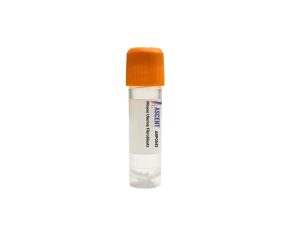
The MOV10 Knockout HEK293T Cell Line is a CRISPR/Cas9-edited loss-of-function model in HEK293T human embryonic kidney epithelial cells. MOV10 is an RNA helicase and core RISC component that interacts with AGO2 and DICER1 to execute miRNA-dependent gene silencing and retrovirus restriction. This knockout line enables investigation of miRNA pathways, antiviral innate immunity, and cancer gene regulation. Key applications include miRNA luciferase reporter assays, viral infection studies, and co-immunoprecipitation of RISC complexes, providing a versatile tool for RNA biology and gene regulation research.
The MOV10 Knockout HEK293T Cell Line is a CRISPR/Cas9-edited knockout cell line derived from the human embryonic kidney HEK293T epithelial cell line. This product represents a stable loss-of-function model for MOV10, an RNA helicase that serves as a core component of the RNA-induced silencing complex (RISC). Through CRISPR/Cas9-mediated gene disruption, the cell line enables precise dissection of MOV10-dependent processes in miRNA-mediated gene silencing, RNA interference, and antiviral restriction, providing a foundational tool for mechanistic studies in post-transcriptional gene regulation and innate immunity.
The HEK293T host cell line is a widely utilized human embryonic kidney epithelial line that constitutively expresses the SV40 large T antigen. This genetic background supports high-level transient protein expression and efficient viral particle production, making HEK293T a preferred platform for lentiviral and retroviral vector generation. The cells’ exceptional transfectability and robust protein synthesis capacity further enable rapid experimental manipulation, while their origin from the kidney epithelium provides a physiologically relevant context for investigating cellular RNA silencing machinery and viral host factor interactions.
MOV10 functions as a RISC-associated RNA helicase that directly interacts with AGO1, AGO2, TNRC6A, DICER1, and UPF1 to promote RISC assembly and facilitate miRNA-guided target mRNA decay. Its enzymatic activity is critical for efficient miRNA-mediated silencing and for the restriction of retroviral RNA replication. Upstream, MOV10 expression is transcriptionally induced by interferon alpha, interferon beta, and the p53 tumor suppressor, linking its function to antiviral innate immunity and tumor suppression. Downstream, MOV10 coordinates the repression of miRNA target genes and modulates pro-inflammatory cytokine networks, underscoring its role as a molecular hub connecting miRNA biogenesis, RNA interference, and inflammatory responses.
The MOV10 knockout HEK293T cell line offers a powerful model for studying the intersection of RNA silencing and viral pathogenesis. In HEK293T cells, which already exhibit attenuated interferon signaling due to the SV40 large T antigen, MOV10 disruption further diminishes endogenous antiviral restriction, enhancing susceptibility to retroviral infection. This sensitized background therefore facilitates detailed investigations into retrovirus replication mechanisms and host defense pathways. Additionally, this model enables the exploration of MOV10’s contributions to hepatocellular carcinoma, glioma, and cancer metastasis, where miRNA network dysregulation is frequently implicated.
Researchers can leverage this cell line for an extensive range of functional assays, including miRNA luciferase reporter assays to quantify silencing efficiency, co-immunoprecipitation of RISC components such as AGO2 and DICER1, and western blot or RT-qPCR analysis of pathway activation. Viral infection studies using lentiviral or retroviral vectors allow assessment of MOV10’s impact on viral replication and innate immune signaling. Transcriptomic approaches like RNA-seq and proliferation assays further support the investigation of MOV10 in cancer cell growth and metastatic potential. For additional product information, custom cell engineering, or bulk order inquiries, please contact Ascent Research.