In Stock Cell Lines
Homo sapiens (Human)
Blood (peripheral blood)
Suspension
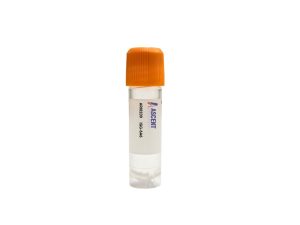
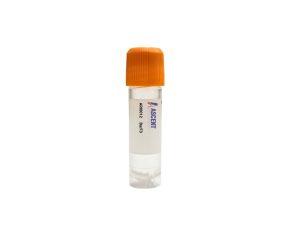
The NINJ1 Knockout THP-1 Cell Line is a CRISPR/Cas9-engineered human monocytic knockout model for studying plasma membrane rupture in pyroptosis and necroptosis. Disruption of NINJ1 prevents oligomerization-dependent pore formation, blocking release of DAMPs such as HMGB1 and cytokines like IL?1??, without affecting upstream inflammasome activation. Based on the THP-1 leukemia line, which can be differentiated into macrophage-like cells, this product is ideal for LDH release assays, ELISA, and flow cytometry to investigate lytic cell death mechanisms. Applications include screening for membrane rupture inhibitors, modeling sepsis and acute lung injury, and exploring NINJ1 as a therapeutic target in inflammatory diseases.
 OSTF1 Knockout A2780 Polyclonal Cells
Cat. No. ARG18965
NFXL1 Knockout HT29 Polyclonal Cells
Cat. No. ARG14086
HTR3E Knockout HAP1 Polyclonal Cells
Cat. No. ARG22661
B2M Knockout TE1 Polyclonal Cells
Cat. No. ARG36840
MARCHF5 Knockout A549 Polyclonal Cells
Cat. No. ARG10000
ORC2 Knockout 786-O Polyclonal Cells
Cat. No. ARG5412
OSTF1 Knockout A2780 Polyclonal Cells
Cat. No. ARG18965
NFXL1 Knockout HT29 Polyclonal Cells
Cat. No. ARG14086
HTR3E Knockout HAP1 Polyclonal Cells
Cat. No. ARG22661
B2M Knockout TE1 Polyclonal Cells
Cat. No. ARG36840
MARCHF5 Knockout A549 Polyclonal Cells
Cat. No. ARG10000
ORC2 Knockout 786-O Polyclonal Cells
Cat. No. ARG5412
The NINJ1 Knockout THP-1 Cell Line is a CRISPR/Cas9-edited human knockout cell line designed to disrupt NINJ1 gene function. This loss-of-function model provides a genetically defined platform for investigating the role of NINJ1 in plasma membrane rupture during lytic cell death. The product is based on the THP-1 monocytic leukemia host, which can be differentiated into macrophage-like cells, enabling studies in both suspension and adherent states.
THP-1 cells, derived from a 1-year-old male with acute monocytic leukemia, are extensively used to study monocyte/macrophage biology, inflammation, and immune responses. Upon PMA treatment, they differentiate into adherent, macrophage-like cells that recapitulate key features of primary macrophages, including robust inflammasome activation. This host background provides a physiologically relevant context for examining NINJ1-dependent processes in innate immune cells.
NINJ1 encodes a cell surface protein that oligomerizes upon stimulation by N-terminal gasdermin fragments or MLKL, forming membrane pores that mediate the release of DAMPs such as HMGB1 and cytokines like IL?1??. NINJ1 functions downstream of caspase?1, caspase?4/5/11, GSDMD, and RIPK3/MLKL, and its activity is linked to LDH release, potassium efflux, and inflammatory cell death. The protein interacts with membrane phospholipids and self-associates to execute the terminal step of lytic cell death in pyroptosis and necroptosis.
In the THP-1 environment, NINJ1 knockout allows separation of early inflammasome activation from downstream membrane rupture. PMA-differentiated THP-1 macrophages respond strongly to NLRP3 stimuli such as LPS and nigericin, making this model ideal for analyzing NINJ1-dependent DAMP release without affecting upstream caspase-1 processing or GSDMD cleavage. The knockout thus clarifies how plasma membrane disruption amplifies inflammatory signaling, providing insight into the transition from intracellular inflammasome assembly to extracellular inflammatory cascades.
This cell line supports diverse experimental approaches, including LDH release assays, ELISA for IL?1?? and IL?18, Western blotting for caspase?1 and GSDMD, and flow cytometry for cell death assessment. Applications encompass mechanistic studies of pyroptosis and necroptosis, screening for membrane rupture inhibitors, and in vitro modeling of sepsis, ischemia-reperfusion injury, and acute respiratory distress syndrome. It also facilitates host-pathogen interaction research and drug discovery for inflammatory diseases. For further information, please contact Ascent Research.