
In Stock Cell Lines
Homo sapiens (Human)
Skin
Adherent
The TNIP1 Knockout HaCat Cell Line is a CRISPR/Cas9-edited loss-of-function model derived from HaCaT human keratinocytes, designed to disrupt the TNIP1 gene. In normal cells, TNIP1 recruits A20 to deubiquitinate RIP1 and NEMO, terminating NF-??B signaling. Disruption of TNIP1 abolishes this checkpoint, resulting in constitutive NF-??B activity and elevated pro-inflammatory cytokines like IL-6 and IL-8. This cell line is valuable for psoriasis research, mechanistic studies of skin inflammation, and drug testing, with readouts such as phospho-p65 western blot and cytokine ELISA.
 CYBB Knockout 769-P Polyclonal Cells
Cat. No. ARG18180
EIF2D Knockout HEK293T Polyclonal Cells
Cat. No. ARG40995
ATG7 Knockout HAP1 Polyclonal Cells
Cat. No. ARG27332
PEMT Knockout MES-OV Polyclonal Cells
Cat. No. ARG6385
DAPK1 Knockout MES-OV Polyclonal Cells
Cat. No. ARG5846
CYBB Knockout 769-P Polyclonal Cells
Cat. No. ARG18180
EIF2D Knockout HEK293T Polyclonal Cells
Cat. No. ARG40995
ATG7 Knockout HAP1 Polyclonal Cells
Cat. No. ARG27332
PEMT Knockout MES-OV Polyclonal Cells
Cat. No. ARG6385
DAPK1 Knockout MES-OV Polyclonal Cells
Cat. No. ARG5846
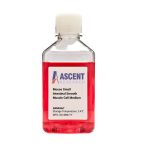 Mouse Small Intestinal Smooth Muscle Cell Medium
Cat. No. ARM0467
Mouse Small Intestinal Smooth Muscle Cell Medium
Cat. No. ARM0467
The TNIP1 Knockout HaCat Cell Line is a CRISPR/Cas9-edited knockout cell line generated from the human HaCaT keratinocyte cell line to ablate expression of TNIP1 (TNFAIP3-interacting protein 1). This targeted gene disruption creates a loss-of-function model ideal for dissecting the specific regulatory roles of TNIP1 in NF-??B signaling and inflammation. The cell line offers a clean genetic background to study TNIP1-dependent mechanisms in keratinocyte biology.
HaCaT cells are an immortalized human keratinocyte line that maintains key features of normal epidermal keratinocytes, including the ability to differentiate and form stratified epithelial layers. They are extensively used to investigate skin barrier formation, epithelial homeostasis, and keratinocyte responses to environmental and inflammatory stimuli. Their genetic tractability and well-characterized signaling networks make HaCaT cells an optimal host for CRISPR/Cas9-mediated gene editing.
TNIP1 functions as a crucial negative feedback regulator of NF-??B signaling by interacting with polyubiquitinated signaling intermediates. Upon activation by TNF-??, IL-1??, or TLR ligands, TNIP1 recruits the deubiquitinase A20 to receptor signaling complexes, where A20 removes K63-linked ubiquitin chains from RIP1 and NEMO (IKK??). This deubiquitination disassembles the IKK complex, halting I??B phosphorylation and NF-??B nuclear translocation. In the knockout, absence of TNIP1 impairs this termination step, leading to sustained NF-??B activity and enhanced transcription of downstream targets including IL-6, IL-8, and CXCL1. Key interacting partners include A20, IKK??, IKK??, and NEMO, with the IKK complex and NF-??B subunits representing core pathway components.
In keratinocytes, precise control of NF-??B is essential for maintaining cutaneous immune homeostasis. Loss of TNIP1 disrupts this balance, resulting in chronic NF-??B activation that mirrors the inflammatory environment in psoriasis, atopic dermatitis, and systemic lupus erythematosus. This cell line thus provides a physiologically relevant platform to study how defective negative feedback translates into skin pathology and to test interventions that restore signaling attenuation.
The TNIP1 Knockout HaCat Cell Line supports diverse experimental workflows, from fundamental signaling studies to translational research. Researchers can quantify NF-??B activation by western blotting for phospho-p65 (Ser536) or luciferase reporter assays, assess cytokine output via RT-qPCR for IL-6 and IL-8 mRNA or ELISA for secreted proteins, and visualize p65 nuclear translocation by immunofluorescence. These approaches facilitate psoriasis disease modeling, dissection of TNF/IL-1/TLR crosstalk, and screening of anti-inflammatory compounds. For additional technical specifications or ordering, contact Ascent Research.

