In Stock Cell Lines
Homo sapiens (Human)
Liver
Adherent
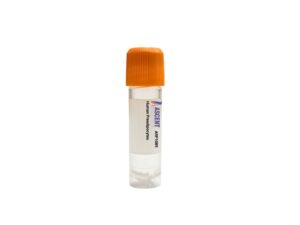
The TRIM47 Knockout HuH-7 Cell Line is a CRISPR/Cas9-edited loss-of-function model in a well-differentiated hepatocellular carcinoma background, with targeted disruption of the TRIM47 gene. TRIM47 is an E3 ubiquitin ligase that ubiquitinates I??B??, leading to NF-??B p65/p50 activation and ??-catenin stabilization, promoting tumorigenesis. This knockout cell line is designed for investigating NF-??B signaling dysregulation, TRIM47-mediated ubiquitination, and effects on proliferation, migration, and apoptosis. Applications include Western blotting, proliferation assays, migration assays, and drug sensitivity screening, aiding liver cancer research.
 NLRX1 Knockout A2780 Polyclonal Cells
Cat. No. ARG18360
CIDEB Knockout A549 Polyclonal Cells
Cat. No. ARG10572
BAG2 Knockout NCI-H1975 Polyclonal Cells
Cat. No. ARG31315
CAMK4 Knockout HCT116 Polyclonal Cells
Cat. No. ARG42027
AGTRAP Knockout AGS Polyclonal Cells
Cat. No. ARG26498
DBNL Knockout MES-OV Polyclonal Cells
Cat. No. ARG6347
NLRX1 Knockout A2780 Polyclonal Cells
Cat. No. ARG18360
CIDEB Knockout A549 Polyclonal Cells
Cat. No. ARG10572
BAG2 Knockout NCI-H1975 Polyclonal Cells
Cat. No. ARG31315
CAMK4 Knockout HCT116 Polyclonal Cells
Cat. No. ARG42027
AGTRAP Knockout AGS Polyclonal Cells
Cat. No. ARG26498
DBNL Knockout MES-OV Polyclonal Cells
Cat. No. ARG6347
The TRIM47 Knockout HuH-7 Cell Line is a CRISPR/Cas9-edited human hepatocellular carcinoma knockout cell line featuring disruption of the TRIM47 gene to create a stable loss-of-function model. Originating from the HuH-7 parent line, it provides a defined genetic background for interrogating TRIM47-dependent signaling and phenotypic outcomes. This engineered line enables precise analysis of gene function within a clinically relevant liver cancer context.
The HuH-7 cell line is a well-differentiated, epithelial hepatocellular carcinoma model extensively used in liver cancer research, hepatitis C virus studies, and drug metabolism assays. Retaining hepatocyte-specific features, HuH-7 cells are ideal for exploring molecular mechanisms of hepatocarcinogenesis, including dysregulated signaling pathways. The TRIM47 knockout in this background allows direct assessment of gene function in a hepatic tumor environment.
TRIM47 functions as an E3 ubiquitin ligase that catalyzes K48-linked polyubiquitination of I??B??, targeting it for proteasomal degradation and releasing NF-??B p65/p50 dimers for nuclear translocation and transcriptional activation. Its activity is stimulated by upstream signals including TNF-?? and HIF-1??, leading to constitutive NF-??B signaling. TRIM47 also influences Wnt/??-catenin and PI3K/AKT pathways, contributing to ??-catenin stabilization. The ligase interacts with E2 ubiquitin-conjugating enzymes, I??B??, proteasome subunits, and NF-??B components, positioning it as a critical mediator of oncogenic signaling in liver cancer.
Overexpression of TRIM47 in hepatocellular carcinoma promotes proliferation, migration, and survival, making this knockout line valuable for dissecting its tumorigenic functions. Ablating TRIM47 suppresses NF-??B activity and attenuates downstream oncogenic programs, allowing examination of cell growth, apoptosis, and metastasis in a liver cancer context. This model also aids in substrate discovery and analysis of pathway crosstalk.
Applications include Western blotting, quantitative RT-PCR, and luciferase reporter assays to monitor NF-??B signaling; cell proliferation (MTS/CCK-8), wound healing, transwell migration, and apoptosis (Annexin V/PI) assays to evaluate functional impacts; co-immunoprecipitation for interactome mapping; and RNA-sequencing for transcriptomic analysis. Additionally, the line supports drug sensitivity screening, such as response to sorafenib, facilitating therapeutic research. For further information, contact Ascent Research.