In Stock Cell Lines
Mus musculus (Mouse)
Liver
Adherent
The Adra1a Knockout Hepa 1-6 Cell Line is a CRISPR/Cas9-edited knockout cell line derived from the mouse Hepa 1-6 hepatoma model. It eliminates expression of the alpha-1A adrenergic receptor, a Gq/11-coupled GPCR that mediates catecholamine signaling through phospholipase C beta, IP3, and calcium/calmodulin-dependent kinases, ultimately regulating glycogenolysis and MAPK cascades. This knockout model is ideal for investigating adrenergic regulation of hepatic glucose metabolism, hepatocellular carcinoma progression, and alpha-1A adrenoceptor pharmacology. It supports functional assays including calcium imaging, glycogenolysis measurement, and drug sensitivity testing, serving as a robust platform for metabolic disease and oncology research.
 FKBP8 Knockout SK-HEP-1 Polyclonal Cells
Cat. No. ARG16034
FKBP8 Knockout SK-HEP-1 Polyclonal Cells
Cat. No. ARG16034
 TMEM63A Knockout Hela Cell Line
Cat. No. ARG44164
NEFL Knockout Hela Polyclonal Cells
Cat. No. ARG7432
CASP7 Knockout MES-OV Polyclonal Cells
Cat. No. ARG42514
TMEM63A Knockout Hela Cell Line
Cat. No. ARG44164
NEFL Knockout Hela Polyclonal Cells
Cat. No. ARG7432
CASP7 Knockout MES-OV Polyclonal Cells
Cat. No. ARG42514
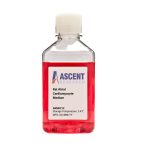 Rat Atrial Cardiomyocyte Medium
Cat. No. ARM0212
Rat Atrial Cardiomyocyte Medium
Cat. No. ARM0212
 Mouse Renal Artery Endothelial Cells
Cat. No. ARP0458
Mouse Renal Artery Endothelial Cells
Cat. No. ARP0458
The Adra1a Knockout Hepa 1-6 Cell Line is a CRISPR/Cas9-edited knockout cell line that enables functional studies of the alpha-1A adrenergic receptor. Derived from the mouse Hepa 1-6 hepatoma line, it features targeted disruption of the Adra1a gene, resulting in loss of receptor expression and downstream signaling. The knockout was generated via CRISPR/Cas9-mediated gene disruption, providing a stable loss-of-function model. The cell line is supplied ready for experimental use.
Hepa 1-6 is a mouse hepatoma cell line originally isolated from a C57L/J mouse with hepatocellular carcinoma. This adherent epithelial line retains liver-specific functions and is a standard model for liver biology and oncology. It recapitulates aspects of hepatocyte metabolism and proliferation, making it suitable for investigating hepatic signaling pathways. The Adra1a knockout in this background allows dissection of receptor-specific effects without endogenous receptor interference.
Adra1a encodes the alpha-1A adrenergic receptor, a Gq/11-coupled GPCR activated by norepinephrine and epinephrine. Ligand engagement stimulates G??q/11, which activates phospholipase C beta, generating IP3 and DAG. IP3 triggers calcium release from the endoplasmic reticulum, while DAG activates protein kinase C. These events lead to calcium/calmodulin-dependent kinase activation and MAPK pathway stimulation. Downstream, the receptor regulates glycogenolysis via glycogen phosphorylase. Adra1a also interacts with ??-arrestin and RGS proteins, modulating signal duration. Knockout of Adra1a abolishes this cascade, disrupting calcium mobilization, MAPK signaling, and hepatic glucose production.
In Hepa 1-6 cells, loss of Adra1a disrupts adrenergic control of glucose metabolism and cell growth. This knockout line is a valuable tool for studying the role of alpha-1A receptors in hepatoma proliferation, metabolic reprogramming, and stress responses. It is particularly relevant for dissecting alpha-1A-specific contributions to hepatic glycogenolysis and for exploring the intersection of adrenergic signaling with hepatocellular carcinoma.
Typical applications include adrenergic signaling studies in hepatocytes, hepatic glucose metabolism analysis, and liver cancer research. The cell line supports a range of assays, including Western blotting, RT-qPCR, immunofluorescence, calcium imaging, glycogenolysis assays, and cell proliferation studies. It is also suitable for drug screening targeting alpha-1A adrenoceptors and transcriptomic analyses like RNA-seq. This model is a versatile resource for metabolic disease and oncology research. For further information, please contact Ascent Research.