
In Stock Cell Lines
The AGMAT Knockout HK-2 Cell Line is a CRISPR/Cas9-edited knockout cell line in the human kidney proximal tubular epithelial HK-2 background, targeting the AGMAT gene encoding agmatinase. This loss-of-function model disrupts agmatine-to-putrescine conversion, resulting in agmatine accumulation and attenuated downstream polyamine synthesis, affecting imidazoline receptor and NMDA receptor signaling. Ideal for investigating polyamine metabolism in renal physiology, kidney diseases, and cancer, this cell line facilitates functional studies, drug screening, and mechanistic analyses using targeted metabolomics and gene expression profiling. The HK-2 background offers a clinically relevant system for exploring agmatine-related pathways and therapeutic interventions.
 EMC10 Knockout SK-HEP-1 Polyclonal Cells
Cat. No. ARG15455
ACADVL Knockout HAP1 Polyclonal Cells
Cat. No. ARG27183
ITGA2 Knockout A2780 Polyclonal Cells
Cat. No. ARG29249
ARF5 Knockout NCI-H1299 Polyclonal Cells
Cat. No. ARG30389
LGR4 Knockout HCT116 Polyclonal Cells
Cat. No. ARG6912
EMC10 Knockout SK-HEP-1 Polyclonal Cells
Cat. No. ARG15455
ACADVL Knockout HAP1 Polyclonal Cells
Cat. No. ARG27183
ITGA2 Knockout A2780 Polyclonal Cells
Cat. No. ARG29249
ARF5 Knockout NCI-H1299 Polyclonal Cells
Cat. No. ARG30389
LGR4 Knockout HCT116 Polyclonal Cells
Cat. No. ARG6912
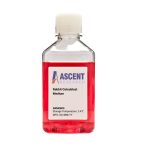 Rabbit Osteoblast Medium
Cat. No. ARM0800
Rabbit Osteoblast Medium
Cat. No. ARM0800
The AGMAT Knockout HK-2 Cell Line is a CRISPR/Cas9-edited knockout cell line featuring disruption of the AGMAT gene, which encodes the enzyme agmatinase. This loss-of-function model eliminates agmatinase activity, providing a powerful tool to dissect the role of agmatine-to-putrescine conversion in human kidney proximal tubular epithelial cells. By abrogating the hydrolysis of agmatine to putrescine and urea, this cell line allows researchers to investigate the consequences of impaired polyamine synthesis and altered agmatine levels within a physiologically relevant renal background.
Derived from normal adult human kidney cortex and immortalized with human papillomavirus 16 (HPV-16) E6/E7 genes, the HK-2 host cell line retains characteristics of proximal tubular epithelium. These cells are integral to reabsorption of water, ions, and nutrients, and are vital for urine formation and systemic homeostasis. The HK-2 model is widely employed in renal biology research, toxicology assessments, and disease modeling due to its stable phenotype and relevance to human kidney function.
AGMAT acts as a central regulator in polyamine homeostasis, converting agmatine to putrescine, the precursor for spermidine and spermine synthesis. Knockout of AGMAT disrupts this metabolic branch point, leading to agmatine accumulation and reduced downstream polyamine levels. Agmatinase function is influenced by upstream regulators such as agmatine itself, polyamines, transcription factor CREB, and various cytokines and growth factors. The resulting metabolic shift affects downstream targets including putrescine, spermidine, spermine, imidazoline receptor signaling, and NMDA receptor modulation. Interacting factors encompass the substrate agmatine, the product urea, and key polyamine pathway enzymes ornithine decarboxylase (ODC) and S-adenosylmethionine decarboxylase (SAMDC), while representative pathway components extend to ornithine, arginine, and nitric oxide synthases.
In the HK-2 context, loss of agmatinase activity profoundly impacts renal proximal tubule cell physiology. Elevated intracellular agmatine may modulate imidazoline receptors and NMDA receptors, influencing ion transport, oxidative stress responses, and cell proliferation. Concurrent depletion of putrescine and spermidine can compromise growth and viability, mimicking conditions of polyamine deficiency. This model thus recapitulates a specific metabolic disturbance that is relevant to understanding kidney diseases, including acute kidney injury and renal cell carcinoma, where polyamine metabolism is frequently dysregulated.
This knockout cell line supports diverse research workflows. It is suited for studying polyamine metabolism through HPLC or LC-MS quantification, enzyme activity assays, and metabolic flux analysis. Applications include drug development targeting polyamine pathways, screening for agmatinase inhibitors or activators, and cancer research investigating renal cell carcinoma biology. Typical assays include Western blot and RT-qPCR for AGMAT and related pathway genes, immunofluorescence localization, cell proliferation assays (MTT, BrdU), and transcriptome profiling via RNA-seq, as well as migration and invasion studies. For further information or technical inquiries, please contact Ascent Research.

