In Stock Cell Lines
Homo sapiens (Human)
Uterus (cervix)
Adherent
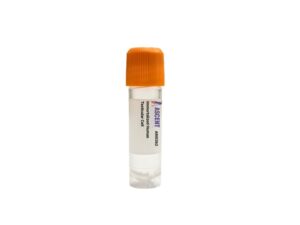
The CGAS Knockout HeLa Cell Line is a CRISPR/Cas9-edited knockout cell line in which the human CGAS gene has been disrupted in the widely used HeLa cervical adenocarcinoma cell line. This model eliminates cGAS-mediated sensing of cytosolic DNA and abrogates downstream activation of the STING?CTBK1?CIRF3 signaling axis, thereby blocking type I interferon and pro-inflammatory cytokine induction. It is a powerful tool for studying innate immune pathways, DNA damage responses, and viral mimicry, with applications in cancer immunotherapy, autoinflammatory disease modeling, and STING-targeted drug screening. Key signaling nodes examined include phosphorylated STING, IRF3, and interferon-?? expression.
 CA2 Knockout Raji Polyclonal Cells
Cat. No. ARG21448
MAPK7 Knockout K562 Polyclonal Cells
Cat. No. ARG19304
CRIM1 Knockout A2780 Polyclonal Cells
Cat. No. ARG18781
KAZALD1 Knockout Raji Polyclonal Cells
Cat. No. ARG23878
HSPA6 Knockout AGS Polyclonal Cells
Cat. No. ARG26985
EFCAB14 Knockout 786-O Polyclonal Cells
Cat. No. ARG40599
CA2 Knockout Raji Polyclonal Cells
Cat. No. ARG21448
MAPK7 Knockout K562 Polyclonal Cells
Cat. No. ARG19304
CRIM1 Knockout A2780 Polyclonal Cells
Cat. No. ARG18781
KAZALD1 Knockout Raji Polyclonal Cells
Cat. No. ARG23878
HSPA6 Knockout AGS Polyclonal Cells
Cat. No. ARG26985
EFCAB14 Knockout 786-O Polyclonal Cells
Cat. No. ARG40599
The CGAS Knockout HeLa Cell Line is a CRISPR/Cas9-edited knockout cell line that disrupts the human CGAS gene in the HeLa host background. This loss-of-function model provides a clean genetic system for dissecting cGAS-dependent innate immune signaling without endogenous cGAS activity. The knockout cell line is ideal for high-content screening, mechanistic studies, and pathway analysis.
HeLa cells are a cervical adenocarcinoma cell line originally isolated from Henrietta Lacks in 1951. They are HPV18-positive and represent one of the most widely used immortalized human cell lines in cancer research and cell biology. Their rapid proliferation, ease of transfection, and extensive characterization make them a robust platform for creating gene-edited models.
cGAS (cyclic GMP-AMP synthase) functions as a primary cytosolic sensor of double-stranded DNA (dsDNA). Upon binding dsDNA from sources such as mitochondria, micronuclei, or viral genomes, cGAS catalyzes the production of 2’3′-cGAMP, which directly activates the endoplasmic reticulum adaptor STING (TMEM173). Activated STING translocates to the Golgi and recruits TBK1 and IKK?? kinases, which phosphorylate IRF3 and NF-??B transcription factors. This cascade drives expression of type I interferons (IFN-??, IFN-??) and pro-inflammatory cytokines (e.g., IL-6, TNF). cGAS activity is regulated by upstream factors including reactive oxygen species and DNA damage, and the enzyme interacts with partners such as PQBP1, IFI16, DNA-PKcs, and TREX1. The cGAS-STING pathway is also linked to autophagy, senescence, and LC3-associated phagocytosis.
In the HeLa context, CGAS knockout provides a clean background to study innate immune activation in a tumor-derived, HPV-transformed cell line. HeLa cells harbor genomic instability and ongoing DNA damage, which may engage cGAS-dependent inflammatory responses. This model enables precise elucidation of how cGAS contributes to STING signaling, cytokine production, and cellular outcomes such as senescence or immune evasion, and it is especially useful for dissecting responses to DNA-damaging chemotherapeutics or viral stimuli.
The CGAS Knockout HeLa Cell Line supports a broad suite of experimental applications. Typical assays include western blotting for phospho-STING, phospho-IRF3, and total cGAS; RT-qPCR quantification of interferon-stimulated genes; ELISA measurement of IFN-??/??; mass spectrometry detection of cGAMP; luciferase reporter assays under IFN-?? promoter control; immunofluorescence analysis of STING translocation; and flow cytometric detection of phospho-IRF3. Co-immunoprecipitation can assess cGAS?CDNA complexes. The model is directly applicable to innate immunity research, cancer immunotherapy target studies, modeling of autoinflammatory diseases (e.g., Aicardi-Gouti??res syndrome, SAVI), viral infection investigations, senescence research, and screening of STING agonists or antagonists. For additional information or customized support, please contact Ascent Research.