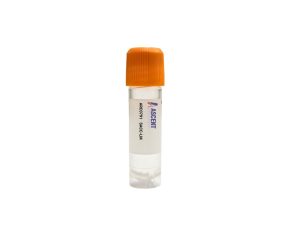
In Stock Cell Lines
Homo sapiens (Human)
Liver
Adherent
The HIF1A Knockout Huh-7 Cell Line is a CRISPR/Cas9-edited knockout cell line that disrupts the HIF1A gene encoding hypoxia-inducible factor 1-alpha (HIF-1??) in the Huh-7 human hepatocellular carcinoma background. This model enables loss-of-function studies of HIF-1??, a central transcription factor that mediates adaptive responses to low oxygen by regulating genes such as VEGF and GLUT1. Under hypoxia, HIF-1?? stabilization drives angiogenesis and glycolysis through targets like VEGF and GLUT1. This knockout line suits hypoxia research, HCC modeling, and anti-angiogenic drug validation. For inquiries, contact Ascent Research.
 MECR Knockout SK-HEP-1 Polyclonal Cells
Cat. No. ARG15908
FOXJ3 Knockout Raji Polyclonal Cells
Cat. No. ARG0932
ATRX Knockout HT29 Polyclonal Cells
Cat. No. ARG33099
IKZF5 Knockout A549 Polyclonal Cells
Cat. No. ARG34111
DMTN Knockout NCI-H1299 Polyclonal Cells
Cat. No. ARG38999
MKLN1 Knockout Raji Polyclonal Cells
Cat. No. ARG1564
MECR Knockout SK-HEP-1 Polyclonal Cells
Cat. No. ARG15908
FOXJ3 Knockout Raji Polyclonal Cells
Cat. No. ARG0932
ATRX Knockout HT29 Polyclonal Cells
Cat. No. ARG33099
IKZF5 Knockout A549 Polyclonal Cells
Cat. No. ARG34111
DMTN Knockout NCI-H1299 Polyclonal Cells
Cat. No. ARG38999
MKLN1 Knockout Raji Polyclonal Cells
Cat. No. ARG1564
The HIF1A Knockout Huh-7 Cell Line is a CRISPR/Cas9-edited knockout cell line designed to disrupt the HIF1A gene in the Huh-7 human hepatocellular carcinoma background. This loss-of-function model enables precise investigation of hypoxia-inducible factor 1-alpha (HIF-1??), a master transcriptional regulator of the cellular hypoxic response. The knockout line provides a powerful tool for dissecting both hypoxia-dependent and hypoxia-independent functions of HIF-1?? in liver cancer biology, metabolic adaptation, and signal transduction.
The Huh-7 cell line is a well-differentiated hepatocellular carcinoma line isolated from a liver tumor of a 57-year-old Japanese male. It is widely utilized as a model for liver cancer, hepatocyte metabolism, and drug metabolism studies, and is permissive for hepatitis C virus replication. Huh-7 cells retain key hepatic functions and signaling networks, making them an appropriate host for studying oncogenic mechanisms, metabolic reprogramming, and therapeutic responses in a clinically relevant epithelial context.
HIF1A encodes the oxygen-sensitive alpha subunit of the HIF-1 transcription factor. In normoxia, HIF-1?? is hydroxylated by prolyl hydroxylases (PHD1?C3), leading to VHL ubiquitin ligase recognition and proteasomal degradation. Factor inhibiting HIF (FIH) also suppresses coactivator binding. Under hypoxia, hydroxylation ceases, HIF-1?? accumulates, dimerizes with HIF-1?? (ARNT), and recruits p300/CBP to transactivate genes via hypoxia response elements (HREs). Key targets include VEGF, GLUT1, PDK1, and HK2, which promote angiogenesis and glycolytic metabolism. HIF-1?? activity is further modulated by upstream signals such as EGF, IGF-1, PI3K, Akt, mTOR, MAPK, reactive oxygen species, and inflammatory cytokines (TNF-??, IL-1??).
In hepatocellular carcinoma, HIF-1?? is frequently overexpressed due to intratumoral hypoxia and oncogenic pathway activation, driving angiogenesis, metabolic switch to glycolysis, and resistance to therapy. The HIF1A knockout in Huh-7 cells therefore creates a critical model to examine how loss of HIF-1?? impacts hypoxic adaptation, proliferation, migration, and drug sensitivity in a well-differentiated liver cancer line. This enables the elucidation of HIF-1????s role in processes such as sorafenib resistance and altered hepatic drug metabolism, while also permitting dissection of crosstalk with the PI3K-Akt and mTOR pathways.
This knockout line supports applications such as hypoxia chamber exposure coupled with Western blot detection of HIF-1?? stabilization, RT-qPCR of target genes (VEGF, GLUT1), HRE-luciferase assays, and Seahorse glycolysis stress tests. Additional phenotypic assays include migration, invasion, and clonogenic survival under low oxygen. The model is a versatile tool for hypoxia research, hepatocellular carcinoma studies, anti-angiogenic drug validation, and metabolic reprogramming investigations. For further details, please contact Ascent Research.