In Stock Cell Lines
Mus musculus (Mouse)
Large intestine (colon)
Adherent
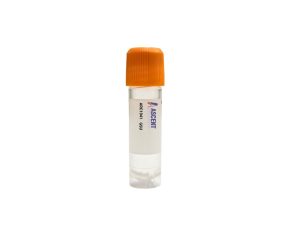
The Kdm3a Knockout MC-38 Cell Line is a CRISPR/Cas9-edited murine colon carcinoma cell model with targeted disruption of the Kdm3a gene. This loss-of-function system enables dissection of epigenetic regulation in a colorectal cancer background, focusing on the histone demethylase Kdm3a that removes H3K9me1/2 marks. Kdm3a cooperates with transcription factors such as AR and PPAR?? to activate genes like FABP4 and MYOG, linking chromatin remodeling to metabolism and differentiation. The knockout allows studies in epigenetic signaling, cancer biology, and transcriptional activation using assays including ChIP-qPCR and western blotting.
The Kdm3a Knockout MC-38 Cell Line is a CRISPR/Cas9-edited murine colon carcinoma cell model with disruption of the Kdm3a gene. This knockout cell line offers a loss-of-function system for studying epigenetic regulation in a colorectal cancer context. Engineered to ablate Kdm3a demethylase activity, it provides a stable platform for functional genomics, enabling precise dissection of H3K9 methylation-dependent transcriptional control without pharmacological interference.
The parental MC-38 cell line is a well-characterized C57BL/6-derived murine colon adenocarcinoma epithelial line, widely employed as a syngeneic model for colorectal cancer. It reliably forms tumors in immunocompetent hosts and is a standard platform for preclinical studies in tumor immunology and therapy. MC-38 cells maintain key characteristics of colon carcinoma, including dysregulated Wnt/??-catenin signaling and metabolic reprogramming, creating an apt system for exploring epigenetic contributions to malignancy.
Kdm3a is a histone demethylase that erases H3K9me1/me2 repressive marks, promoting open chromatin and transcriptional activation. It functions downstream of androgen receptor (AR), PPAR??, and HIF1??, and associates with the Mediator and SWI/SNF complexes. Through these interactions, Kdm3a drives expression of targets such as FABP4, MYOG, and PSA, linking epigenetic regulation to adipogenesis, hormone signaling, and Wnt pathway activity. In colorectal cancer, Kdm3a may modulate PPAR?? and Wnt transcriptional programs involved in metabolism and tumor progression.
Knockout of Kdm3a in MC-38 cells raises H3K9me2 levels at its genomic targets, allowing study of how sustained repression affects genes controlling metabolism, differentiation, and intestinal homeostasis. Since MC-38 is a colon epithelial tumor line, this model is particularly valuable for investigating epigenetic dysregulation in colorectal tumorigenesis, especially interplay with PPAR?? and Wnt signaling. It enables dissection of Kdm3a-dependent transcriptional control within the tumor microenvironment.
This cell line supports ChIP-qPCR for H3K9 methylation profiling, RT-qPCR and western blotting for target gene analysis (e.g., FABP4, MYOG), and reporter assays for AR and PPAR?? activity. Adipogenic differentiation and cell proliferation assays permit functional studies of metabolic reprogramming and tumor growth. Applications include epigenetic regulation research, colorectal cancer biology, and transcriptional activation mechanisms. For more information, contact Ascent Research.