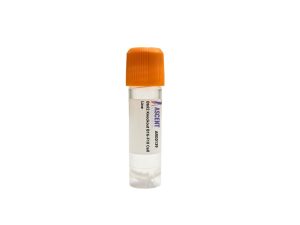
In Stock Cell Lines
Mus musculus (Mouse)
Breast (mammary gland)
Adherent
The Kdm6b Knockout 4T1 Cell Line is a CRISPR/Cas9-edited knockout cell line generated from the 4T1 mouse mammary carcinoma, a model of metastatic breast cancer. This stable loss-of-function model disrupts the Kdm6b gene, encoding a histone H3K27 demethylase. Kdm6b is upregulated by NF-??B p65, STAT3, and TGF-?? signaling and regulates key targets such as p16INK4a and E-cadherin, influencing epithelial-mesenchymal transition and cell proliferation. This cell line is ideal for investigating the epigenetic regulation of breast cancer metastasis and for preclinical therapeutic evaluation.
 ASPSCR1 Knockout HAP1 Polyclonal Cells
Cat. No. ARG21958
KEL Knockout HAP1 Polyclonal Cells
Cat. No. ARG22995
DNAJC1 Knockout NCI-H1975 Polyclonal Cells
Cat. No. ARG39173
LILRB4 Knockout CAL27 Polyclonal Cells
Cat. No. ARG11497
ASPSCR1 Knockout HAP1 Polyclonal Cells
Cat. No. ARG21958
KEL Knockout HAP1 Polyclonal Cells
Cat. No. ARG22995
DNAJC1 Knockout NCI-H1975 Polyclonal Cells
Cat. No. ARG39173
LILRB4 Knockout CAL27 Polyclonal Cells
Cat. No. ARG11497
 Immortalized Mouse Corneal Epithelial Cell
Cat. No. ARI0168
Immortalized Mouse Corneal Epithelial Cell
Cat. No. ARI0168
 Mouse Ureteral Epithelial Cells
Cat. No. ARP0497
Mouse Ureteral Epithelial Cells
Cat. No. ARP0497
The Kdm6b Knockout 4T1 Cell Line is a CRISPR/Cas9-edited knockout cell line generated from the 4T1 mouse mammary carcinoma line, offering a stable loss-of-function model for the Kdm6b gene. This product enables targeted investigation of Kdm6b-mediated epigenetic regulation in breast cancer. The cell line has been engineered through CRISPR/Cas9-mediated gene disruption, resulting in functional inactivation of the Kdm6b locus, and is provided as a ready-to-use live-cell product for expansion and downstream applications.
The parental 4T1 cell line, derived from a spontaneous mammary carcinoma in a BALB/c mouse, is a seminal model for aggressive, metastatic stage IV breast cancer. 4T1 cells exhibit robust tumorigenic and spontaneous metastatic behavior, colonizing distant organs including lung, liver, and bone. Their rapid growth and metastatic spread in syngeneic immunocompetent hosts make them particularly valuable for studying tumor-host interactions, immune evasion, and the molecular mechanisms driving metastasis.
Kdm6b encodes a histone H3 lysine 27 (H3K27) demethylase that removes tri- and di-methyl marks, thereby relieving Polycomb-mediated transcriptional repression and enabling gene activation. The enzymatic activity of Kdm6b is regulated by critical upstream signals, including NF-??B p65, STAT3, TGF-??, and hypoxia. Key interacting partners such as TLE1, components of the MLL complex, SMAD2/3, and the Notch intracellular domain integrate Kdm6b into diverse signaling networks. Consequently, Kdm6b transcriptionally governs pivotal downstream targets, including the INK4A/ARF locus (p16INK4a and p19ARF), HOX genes, E-cadherin, and PTEN, influencing cell cycle progression, apoptosis, and epithelial-mesenchymal transition.
In 4T1 breast cancer cells, knockout of Kdm6b is predicted to elevate H3K27me3 levels at Polycomb target loci, leading to transcriptional reprogramming that may suppress the aggressive metastatic phenotype. Kdm6b is known to promote expression of E-cadherin and other epithelial markers; its disruption can impair epithelial-mesenchymal transition and metastatic capacity. Additionally, loss of Kdm6b-mediated demethylation may de-repress tumor suppressors such as p16INK4a and PTEN, while altering oncogenic signaling through TGF-?? and NF-??B pathways. This knockout cell line thus provides a unique platform for dissecting the epigenetic control of breast cancer metastasis.
The Kdm6b Knockout 4T1 Cell Line supports a broad range of assays, from biochemical analyses of histone methylation status by western blotting and immunofluorescence, to genome-wide transcriptomic profiling by RNA-seq. Researchers can perform ChIP-qPCR to map H3K27me3 occupancy at the promoters of Kdm6b target genes, or assess functional consequences via cell proliferation, migration, and invasion assays. This model is well-suited for both mechanistic studies of histone demethylation in tumor progression and preclinical evaluation of therapeutic strategies targeting epigenetic regulators. For further information or to discuss your specific application, please contact Ascent Research.