In Stock Cell Lines
Homo sapiens (Human)
Skin
Adherent
The MBTPS1 Knockout HaCat Cell Line is a CRISPR/Cas9-edited loss-of-function model in the HaCat keratinocyte line, eliminating site-1 protease (S1P). S1P cleaves SREBP transcription factors (SREBF1/2) and ATF6, linking lipid synthesis and ER stress responses. Ideal for studying lipid metabolism, keratinocyte biology, and cancer metabolism, this knockout line enables assays such as Oil Red O staining, SRE-luciferase reporter, and TEER measurement, facilitating investigation of SREBP signaling and UPR in a human epidermal context.
 EXOSC1 Knockout Hela Polyclonal Cells
Cat. No. ARG7898
IRAK1 Knockout Raji Polyclonal Cells
Cat. No. ARG23827
ABCC5 Knockout NCI-H1975 Polyclonal Cells
Cat. No. ARG30963
FKBP15 Knockout Raji Polyclonal Cells
Cat. No. ARG1646
EXOSC1 Knockout Hela Polyclonal Cells
Cat. No. ARG7898
IRAK1 Knockout Raji Polyclonal Cells
Cat. No. ARG23827
ABCC5 Knockout NCI-H1975 Polyclonal Cells
Cat. No. ARG30963
FKBP15 Knockout Raji Polyclonal Cells
Cat. No. ARG1646
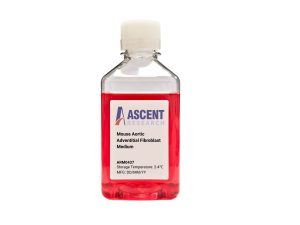
 Mouse Pulmonary Artery Adventitial Fibroblast Medium
Cat. No. ARM0419
Mouse Pulmonary Artery Adventitial Fibroblast Medium
Cat. No. ARM0419
 Hs 68
Cat. No. ARP1005
Hs 68
Cat. No. ARP1005
The MBTPS1 Knockout HaCat Cell Line is a CRISPR/Cas9-edited knockout cell line derived from the HaCat keratinocyte line, featuring targeted disruption of the MBTPS1 gene. This loss-of-function model eliminates site-1 protease (S1P) activity, enabling detailed investigation of SREBP-dependent lipid synthesis and the unfolded protein response (UPR) in a human epidermal background. The engineered line serves as a versatile tool for dissecting the molecular consequences of S1P deficiency without introducing specific defined mutations, making it suitable for a broad spectrum of metabolic and cell stress studies.
The host HaCat cell line is a spontaneously immortalized aneuploid human keratinocyte line originating from adult skin. Widely used in dermatological research, HaCat cells recapitulate key aspects of epidermal biology, including differentiation, proliferation, barrier formation, and wound healing. Their robust in vitro growth and well-characterized signaling networks provide a reliable and physiologically relevant platform for CRISPR-based genetic manipulation, allowing reproducible analysis of gene function in a keratinocyte context.
MBTPS1 encodes the Golgi-resident serine protease site-1 protease (S1P), which plays a pivotal role in lipid homeostasis and proteostasis. Under sterol depletion, S1P cleaves sterol regulatory element-binding proteins SREBF1 and SREBF2 in complex with SCAP, liberating their N-terminal transcription factor domains to activate lipogenic genes such as HMGCR and FASN. Additionally, S1P processes ATF6 and CREB3 subfamily members (e.g., CREB3L1) during ER stress, mediating the UPR and lysosomal biogenesis. Upstream regulators include insulin/IGF-1 signaling, mTORC1, and ER stress inducers like tunicamycin, while S1P acts in concert with MBTPS2 (S2P) for sequential cleavage of certain substrates. This network positions MBTPS1 at the intersection of nutrient sensing and stress adaptation.
In the HaCat keratinocyte background, MBTPS1 disruption is particularly informative for studying epidermal lipid metabolism, as keratinocyte differentiation and barrier function depend on SREBP-driven lipid synthesis. Loss of S1P impairs cholesterol and fatty acid production, potentially altering cornified envelope formation and skin barrier integrity. Furthermore, HaCat cells are responsive to environmental stressors, making this knockout line valuable for examining UPR-mediated adaptations relevant to dermatological conditions and wound healing. The aneuploid nature of HaCat also permits exploration of cancer-related metabolic reprogramming, where dysregulated lipid synthesis and ER stress are common features.
This knockout cell line supports a wide array of advanced experimental approaches. Researchers can investigate lipid metabolism using Oil Red O staining, SRE-luciferase reporter assays, and cholesterol quantification. ER stress and UPR dynamics are assessable via western blotting for ATF6 cleavage and RT-qPCR of target genes. Keratinocyte biology studies benefit from migration assays and transepithelial electrical resistance (TEER) measurements to evaluate barrier function. In cancer metabolism contexts, drug sensitivity testing with statins or S1P inhibitors can be performed. Additional tools include co-immunoprecipitation of SREBP with SCAP, phospho-mTOR pathway analysis, and immunofluorescence for SREBP localization. For further details or technical support, please contact Ascent Research.