In Stock Cell Lines
Homo sapiens (Human)
Liver
Adherent
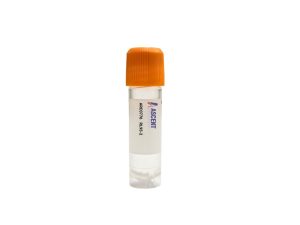
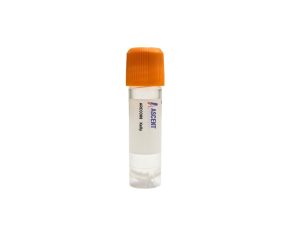
The MEIS1 Knockout Hep-G2 Cell Line provides a CRISPR/Cas9-edited loss-of-function model in human hepatocellular carcinoma cells, featuring targeted disruption of the homeobox transcription factor MEIS1. MEIS1 heterodimerizes with PBX and HOX proteins to regulate targets such as c-MYC and cyclin D1, influencing proliferation and apoptosis. This knockout line enables investigation of MEIS1-dependent transcriptional networks, oncogenic signaling, and drug resistance in a hepatic context. Assays include proliferation, apoptosis, western blotting, RNA-seq, and drug sensitivity testing, facilitating studies in liver cancer biology and therapeutic screening.
 NF1 Knockout K562 Polyclonal Cells
Cat. No. ARG19238
PDLIM5 Knockout HT29 Polyclonal Cells
Cat. No. ARG14201
BIN1 Knockout HEK293T Polyclonal Cells
Cat. No. ARG25838
IVNS1ABP Knockout AGS Polyclonal Cells
Cat. No. ARG27080
ATRAID Knockout A2780 Polyclonal Cells
Cat. No. ARG28847
BST2 Knockout jurkat Polyclonal Cells
Cat. No. ARG34035
NF1 Knockout K562 Polyclonal Cells
Cat. No. ARG19238
PDLIM5 Knockout HT29 Polyclonal Cells
Cat. No. ARG14201
BIN1 Knockout HEK293T Polyclonal Cells
Cat. No. ARG25838
IVNS1ABP Knockout AGS Polyclonal Cells
Cat. No. ARG27080
ATRAID Knockout A2780 Polyclonal Cells
Cat. No. ARG28847
BST2 Knockout jurkat Polyclonal Cells
Cat. No. ARG34035
The MEIS1 Knockout Hep-G2 Cell Line is a CRISPR/Cas9-edited knockout cell line derived from human Hep-G2 hepatocellular carcinoma cells, featuring targeted disruption of the MEIS1 gene. This stable loss-of-function model eliminates MEIS1 protein expression, providing a consistent platform for studying gene function in a hepatic cancer background. The knockout line supports reproducible experiments without the variability of transient silencing methods and is quality-controlled for uniform gene inactivation.
Parental Hep-G2 cells originate from a liver biopsy of a 15-year-old Caucasian male with hepatocellular carcinoma and are widely used to model hepatocarcinogenesis, liver metabolism, and drug toxicity. These epithelial cells retain differentiated hepatic functions and are employed to investigate oncogenic signaling pathways and chemotherapeutic responses. The Hep-G2 background offers a relevant cellular context for exploring MEIS1’s role in liver cancer, including proliferation, apoptosis, and resistance mechanisms.
MEIS1 is a TALE-homeobox transcription factor that heterodimerizes with PBX (PBX1, PBX2, PBX3) and HOX proteins, particularly HOXA9, to form transcriptional regulatory complexes. Upstream regulators include retinoic acid, RUNX1, and ERG, while downstream targets encompass c-MYC, cyclin D1, BCL-2, CD34, and FLT3. MEIS1 integrates inputs from Wnt/??-catenin, TGF-??, and retinoic acid pathways to control gene networks governing cell proliferation, survival, and differentiation. Its role in hematopoietic stem cell maintenance and leukemogenesis is well documented, driven by the HOXA9-MEIS1-PBX complex and interactions with HOXB4.
MEIS1 has emerging importance in hepatocellular carcinoma, where it may regulate tumor growth and drug sensitivity. Knockout in Hep-G2 cells enables dissection of MEIS1-dependent transcriptional programs, such as c-MYC and cyclin D1 suppression, which can impair cell cycle progression and enhance apoptosis. This model also allows exploration of cross-talk between MEIS1 and retinoic acid or TGF-?? signaling in liver tumor biology. By leveraging the hepatic context, researchers can investigate MEIS1’s oncogenic functions beyond its established roles in hematological malignancies.
Typical applications include cell proliferation (MTT, BrdU), apoptosis (Annexin V, caspase-3/7), and colony formation assays to assess MEIS1’s impact on cell growth and survival. Transcriptomic profiling via RT-qPCR or RNA-seq identifies downstream gene expression changes, while ChIP verifies MEIS1 binding to target loci. Co-immunoprecipitation evaluates interactions with PBX/HOX partners, and wound healing assays measure migration. Drug sensitivity testing with doxorubicin or sorafenib can reveal MEIS1’s role in chemoresistance. This cell line also supports compound screening for MEIS1-targeted therapies. For technical inquiries, please contact Ascent Research.