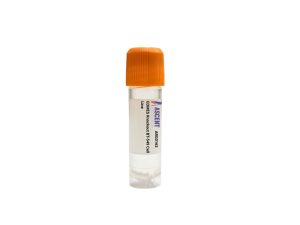
In Stock Cell Lines
Homo sapiens (Human)
Uterus (cervix)
Adherent
The METTL3 Knockout HeLa Cell Line is a CRISPR/Cas9-edited knockout cell line that disrupts the catalytic subunit of the m6A methyltransferase writer complex. By eliminating METTL3 function, this model impairs N6-methyladenosine deposition on mRNA, enabling study of epitranscriptomic regulation in a human cancer context. This cell line leverages HeLa cervical adenocarcinoma cells to dissect METTL3-dependent control of targets like MYC and SOX2, mediated through complexes with METTL14 and WTAP and read by YTH-domain proteins. It supports functional genomics, target validation, and inhibitor screening using assays such as MeRIP-seq, m6A quantification, and cell viability assays.
 MPP1 Knockout A2780 Polyclonal Cells
Cat. No. ARG19004
AMFR Knockout Raji Polyclonal Cells
Cat. No. ARG21141
IL3 Knockout UMUC-3 Polyclonal Cells
Cat. No. ARG36942
FBXO45 Knockout A549 Polyclonal Cells
Cat. No. ARG10140
ALAS1 Knockout AGS Polyclonal Cells
Cat. No. ARG26523
MPP1 Knockout A2780 Polyclonal Cells
Cat. No. ARG19004
AMFR Knockout Raji Polyclonal Cells
Cat. No. ARG21141
IL3 Knockout UMUC-3 Polyclonal Cells
Cat. No. ARG36942
FBXO45 Knockout A549 Polyclonal Cells
Cat. No. ARG10140
ALAS1 Knockout AGS Polyclonal Cells
Cat. No. ARG26523
 TRAP150 Knockout THP-1 Cell Line
Cat. No. ARG0828
TRAP150 Knockout THP-1 Cell Line
Cat. No. ARG0828
The METTL3 Knockout HeLa Cell Line is a CRISPR/Cas9-edited, loss-of-function human cell line designed for investigating m6A RNA methylation biology. This product features targeted disruption of the METTL3 gene in HeLa cells, generating a stable knockout model that impairs the catalytic core of the methyltransferase complex. It is ideal for epitranscriptomic research, enabling robust analysis of m6A-dependent processes without confounding compensatory mechanisms.
The host HeLa cell line is an immortalized human cervical adenocarcinoma epithelial cell line originally derived from Henrietta Lacks. HeLa cells are among the most widely used models in cancer biology, offering robust growth, ease of genetic manipulation, and extensive characterization. Their utility in RNA biology is well-established, making them a suitable platform for studying METTL3-mediated m6A modification in a disease-relevant epithelial cancer context.
METTL3 encodes the catalytic subunit of the m6A methyltransferase writer complex, which installs N6-methyladenosine marks on mRNA and non-coding RNAs. Core components of this complex include METTL14, WTAP, and VIRMA (KIAA1429), with regulatory adaptors such as RBM15. METTL3 activity is regulated by upstream oncogenic signals including MYC, PI3K/AKT, TGF-??, and hypoxia, and it directs m6A modification on target transcripts like MYC, SOX2, and EGFR, influencing their processing. m6A marks are decoded by YTH-domain reader proteins (e.g., YTHDF1, YTHDF2, YTHDF3, YTHDC1), which govern RNA splicing, stability, and translation. Disruption of METTL3 impairs m6A deposition, leading to altered expression of oncogenic targets and dysregulation of RNA metabolism networks.
In HeLa cells, METTL3 knockout reshapes the m6A landscape, causing aberrant expression of key oncogenic drivers such as MYC and SOX2 and impaired cell proliferation. This model reflects mechanisms implicated in cervical adenocarcinoma and other malignancies, including acute myeloid leukemia, hepatocellular carcinoma, and glioblastoma. The cell line enables dissection of m6A function in epithelial cancer biology, using assays like m6A dot blot, MeRIP-seq, RT-qPCR, Western blot, and MTT/MTS cell viability. It also supports RNA stability analysis via actinomycin D treatment and translational regulation via luciferase reporters.
Researchers can employ this cell line to functionally characterize m6A modification, identify METTL3 target genes, validate METTL3 as a therapeutic target, and screen for small-molecule inhibitors. Typical applications include genome-wide m6A profiling by MeRIP-seq, quantitative m6A measurement by ELISA or dot blot, colony formation, cell cycle flow cytometry, and cell viability assays. This model is a critical tool for cancer epigenetics, RNA biology, and drug discovery. For additional technical details or inquiries, please contact Ascent Research.