In Stock Cell Lines
The Npc1l1 Knockout AML12 Cell Line is a CRISPR/Cas9-edited mouse hepatocyte line with targeted disruption of Npc1l1, enabling study of cholesterol absorption and hepatic lipid metabolism. NPC1L1, regulated by SREBP-2 and inhibited by ezetimibe, mediates cholesterol uptake and activates LXR to upregulate ABCG5/ABCG8. This model is ideal for investigating hypercholesterolemia, atherosclerosis, and non-alcoholic fatty liver disease through cholesterol uptake assays, ezetimibe sensitivity testing, and expression analysis of lipid-regulating genes. Applications include drug screening for NPC1L1 inhibitors and mechanistic studies of related cardiovascular and liver diseases.
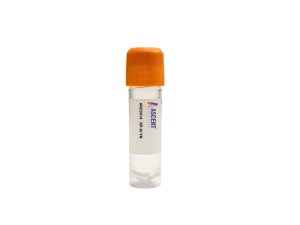
 ITPRIPL2 Knockout 786-O Polyclonal Cells
Cat. No. ARG25384
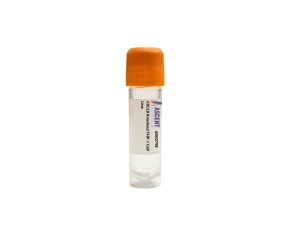
AKAP13 Knockout 786-O Polyclonal Cells
Cat. No. ARG24866
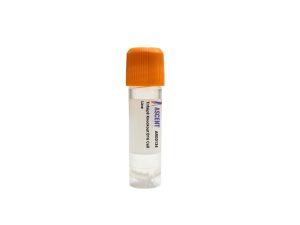
IL18 Knockout SK-HEP-1 Polyclonal Cells
Cat. No. ARG32660
DTWD2 Knockout MES-OV Polyclonal Cells
Cat. No. ARG39941
COQ6 Knockout Raji Polyclonal Cells
Cat. No. ARG1642
ITPRIPL2 Knockout 786-O Polyclonal Cells
Cat. No. ARG25384
AKAP13 Knockout 786-O Polyclonal Cells
Cat. No. ARG24866
IL18 Knockout SK-HEP-1 Polyclonal Cells
Cat. No. ARG32660
DTWD2 Knockout MES-OV Polyclonal Cells
Cat. No. ARG39941
COQ6 Knockout Raji Polyclonal Cells
Cat. No. ARG1642
 Mouse Oligodendrocytes
Cat. No. ARP0619
Mouse Oligodendrocytes
Cat. No. ARP0619
The Npc1l1 Knockout AML12 Cell Line is a CRISPR/Cas9-edited knockout cell line generated from the AML12 mouse hepatocyte line by targeted disruption of the Npc1l1 gene. This model provides a loss-of-function tool to study NPC1L1-mediated cholesterol uptake and intracellular transport in hepatic cells. The gene-edited line enables precise investigation of cholesterol homeostasis pathways without the confounding influence of wild-type NPC1L1 activity, supporting mechanistic and pharmacological studies in a defined genetic background.
The AML12 host cell line is a non-transformed mouse hepatocyte line derived from a TGF-alpha transgenic mouse, widely utilized for liver function and metabolism research. These cells retain key hepatocyte features, including expression of liver-specific enzymes and metabolic regulators, making them a physiologically relevant in vitro system for studying hepatic lipid handling, bile acid synthesis, and responses to metabolic stimuli. The AML12 line is particularly valued for its stable phenotype and relevance to human hepatocyte biology.
NPC1L1 functions as a critical mediator of cholesterol absorption via clathrin-mediated endocytosis, interacting with the AP2 complex, flotillin-1, and caveolin-1. Its expression is regulated by SREBP-2 and cholesterol depletion, and its activity is inhibited by ezetimibe. Downstream, NPC1L1 promotes cholesterol accumulation, leading to LXR activation. This triggers the upregulation of ABCG5/ABCG8 transporters and inhibition of SREBP-2 processing, forming a feedback loop that controls hepatic cholesterol levels. Disruption of Npc1l1 abrogates this signaling axis, making the knockout line a defined platform for dissecting these molecular interactions.
In the AML12 hepatocyte context, ablation of Npc1l1 profoundly alters cholesterol homeostasis, mimicking the effects of pharmacological NPC1L1 blockade. This model is particularly relevant for investigating hypercholesterolemia, atherosclerosis, and non-alcoholic fatty liver disease, as it recapitulates hepatic cholesterol trafficking defects and subsequent metabolic adaptations. The cell line provides a clean genetic background to evaluate how loss of NPC1L1 influences lipid accumulation, LXR-mediated transcriptional programs, and the interplay with bile acid metabolism.
Researchers can employ this knockout cell line in cholesterol uptake assays, ezetimibe sensitivity testing, and lipid quantification using Oil Red O staining. It is also suitable for immunofluorescence to monitor NPC1L1 localization, western blotting for SREBP-2 and ABCG5/ABCG8, and RT-qPCR to assess expression of lipid metabolism genes. These applications facilitate drug screening for novel NPC1L1 inhibitors and mechanistic studies of hepatic cholesterol trafficking. For additional product details or technical support, please contact Ascent Research.