Genome-edited Cells
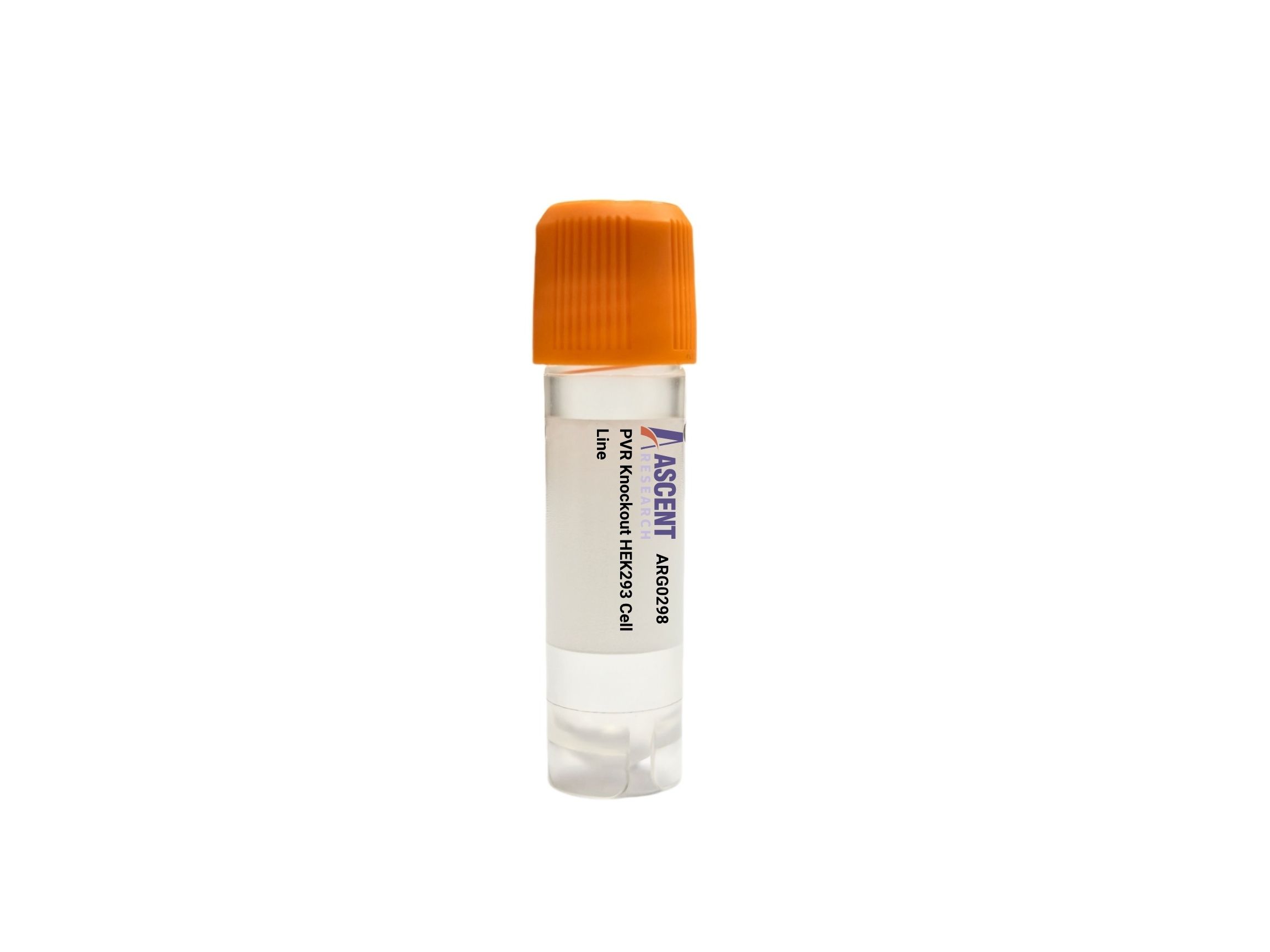
The PVR Knockout HEK293 Cell Line is a CRISPR/Cas9-edited knockout cell line in which the PVR (CD155) gene has been disrupted. PVR is a transmembrane adhesion receptor and immune checkpoint modulator that interacts with DNAM-1, TIGIT, and CD96 to regulate natural killer and T cell responses, and serves as the poliovirus entry receptor. Derived from HEK293 human embryonic kidney epithelial cells, this tool is ideal for studying poliovirus infection mechanisms, cancer immunology, and autoimmune disease, and for validating therapeutics targeting the DNAM-1/TIGIT pathways. Key applications include co-culture immune assays, viral infection studies, and downstream signaling analysis via Western blotting and flow cytometry.
 CDKAL1 Knockout A2780 Polyclonal Cells
Cat. No. ARG18813
COL4A1 Knockout SK-HEP-1 Polyclonal Cells
Cat. No. ARG15196
CDKAL1 Knockout A2780 Polyclonal Cells
Cat. No. ARG18813
COL4A1 Knockout SK-HEP-1 Polyclonal Cells
Cat. No. ARG15196
 FSHR Knockout THP-1 Cell Line
Cat. No. ARG43860
LCN2 Knockout A549 Polyclonal Cells
Cat. No. ARG10419
BCL11A Knockout Hela Polyclonal Cells
Cat. No. ARG37353
FSHR Knockout THP-1 Cell Line
Cat. No. ARG43860
LCN2 Knockout A549 Polyclonal Cells
Cat. No. ARG10419
BCL11A Knockout Hela Polyclonal Cells
Cat. No. ARG37353
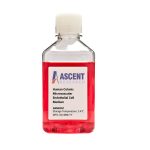 Human Colonic Microvascular Endothelial Cell Medium
Cat. No. ARM0051
Human Colonic Microvascular Endothelial Cell Medium
Cat. No. ARM0051
The PVR Knockout HEK293 Cell Line is a CRISPR/Cas9-edited human cell line with targeted disruption of the PVR (CD155) gene. This stable loss-of-function model enables investigation of PVR biology in a well-defined epithelial background, free from endogenous protein expression. Researchers can use this tool to dissect PVR-dependent adhesion, signaling, and pathogenic interactions.
The HEK293 host line comprises human embryonic kidney epithelial cells transformed with sheared adenovirus type 5 DNA. Its rapid growth, high transfection efficiency, and routine use in heterologous protein expression and viral production make it an ideal chassis for gene-edited cell products. The epithelial context is particularly relevant for studying PVR functions at the interface of cell adhesion and immune modulation.
PVR (CD155) is a nectin family adhesion receptor that mediates poliovirus entry and regulates immune cell activity through differential engagement of DNAM-1 (CD226), TIGIT, and CD96. DNAM-1 binding activates PI3K/AKT and MAPK pathways, whereas TIGIT engagement recruits SHP-1 and SHP-2 phosphatases to inhibit cytotoxicity. PVR also interacts with Nectin-3 for intercellular adhesion. Expression is controlled by TP53, NF-??B, and Sonic hedgehog signaling, integrating growth and stress cues.
Deletion of PVR in HEK293 cells creates a null background for reconstituting individual ligand interactions and assessing their functional consequences. The line is invaluable for poliovirus infection studies, as knockout ablates viral entry unless PVR is exogenously supplied. In co-cultures with natural killer cells or T cells, the model permits precise dissection of the DNAM-1/TIGIT/CD96 immune checkpoint axis without confounding endogenous CD155 signaling, thereby clarifying mechanisms in tumor immune evasion and autoimmunity.
Representative applications include target validation for TIGIT- and DNAM-1-directed immunotherapies, screening of PVR-blocking compounds, and mechanistic investigations of poliovirus tropism. Compatible assays include Western blotting, RT-qPCR, immunofluorescence, flow cytometry for receptor expression, and co-culture systems measuring immune cell activation or viral infection. For further information, please contact Ascent Research.