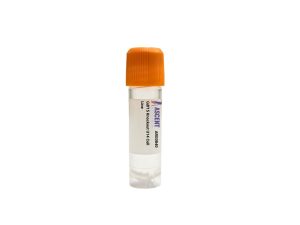
In Stock Cell Lines
The Pvr Knockout LLC Cell Line is a CRISPR/Cas9-edited Lewis lung carcinoma cell line lacking CD155 expression. CD155 is a dual-function ligand for the immune receptors DNAM-1 (CD226) and TIGIT, regulating NK cell and T cell cytotoxicity and migration. Ablation of Pvr eliminates these interactions, enabling studies of immune checkpoint modulation and tumor evasion. This model facilitates investigation of the CD155?CTIGIT inhibitory axis in syngeneic C57BL/6 mice, with applications in NK/T cell functional assays, signaling analysis (e.g., phospho-AKT/ERK), and in vivo metastasis research. For further details, please contact Ascent Research.
 LGMN Knockout SK-HEP-1 Polyclonal Cells
Cat. No. ARG16099
DEK Knockout A549 Polyclonal Cells
Cat. No. ARG10686
IGSF5 Knockout HAP1 Polyclonal Cells
Cat. No. ARG22732
ACAT1 Knockout SK-HEP-1 Polyclonal Cells
Cat. No. ARG32066
NR1I2 Knockout PATU8988T Polyclonal Cells
Cat. No. ARG11324
FRYL Knockout HEK293T Polyclonal Cells
Cat. No. ARG4476
LGMN Knockout SK-HEP-1 Polyclonal Cells
Cat. No. ARG16099
DEK Knockout A549 Polyclonal Cells
Cat. No. ARG10686
IGSF5 Knockout HAP1 Polyclonal Cells
Cat. No. ARG22732
ACAT1 Knockout SK-HEP-1 Polyclonal Cells
Cat. No. ARG32066
NR1I2 Knockout PATU8988T Polyclonal Cells
Cat. No. ARG11324
FRYL Knockout HEK293T Polyclonal Cells
Cat. No. ARG4476
The Pvr Knockout LLC Cell Line is a CRISPR/Cas9-edited Lewis lung carcinoma (LLC) cell line in which the Pvr gene encoding CD155 has been disrupted to eliminate its expression. This knockout model provides a loss-of-function system to investigate CD155, a critical immunoglobulin-like adhesion receptor that serves as a ligand for the immune receptors DNAM-1 (CD226), TIGIT, and CD96, thereby regulating NK cell and T cell activity. Generated by CRISPR/Cas9-mediated gene disruption, the cell line offers a stable platform for dissecting CD155-dependent immune evasion mechanisms and testing immunotherapeutic strategies in a murine lung cancer context.
The parental LLC cell line, derived from a C57BL/6 mouse Lewis lung carcinoma, is a widely utilized syngeneic model for non-small cell lung cancer and metastasis research. These epithelial cells are highly tumorigenic and capable of forming spontaneous metastases, closely mimicking clinical disease progression when implanted into immunocompetent C57BL/6 hosts. The LLC model is particularly valued for its intact immune system, enabling comprehensive evaluation of tumor?Cimmune interactions, immune checkpoint blockade responses, and the consequences of target gene knockouts on tumor immunity.
CD155 (Pvr) is a multifunctional cell adhesion molecule that bridges innate and adaptive immunity by interacting with DNAM-1, TIGIT, and CD96 on NK cells and T cells. DNAM-1 engagement triggers activating signals via Vav1, PI3K/AKT, and ERK, promoting cytotoxicity and cytokine production, while TIGIT ligation recruits the phosphatases SHP-1 and SHP-2 to dampen effector functions. CD155 also binds integrin ??v??3 and nectins, influencing cell adhesion and migration. Expression of Pvr is upregulated by NF-??B, interferon-??, and the transcription factor ATF3 in response to inflammatory and genotoxic stress. Loss of CD155 in the knockout cell line eliminates both activating and inhibitory inputs, enabling dissection of the net immunological outcome in the tumor microenvironment.
In the LLC lung carcinoma background, Pvr knockout is expected to reshape immune surveillance by abrogating TIGIT-mediated immunosuppression while concurrently removing DNAM-1-dependent costimulation. This dual effect makes the cell line a valuable tool for investigating the therapeutic potential of targeting the CD155?CTIGIT pathway and for assessing how tumors adapt to the loss of CD155 in immune-competent settings. In vivo comparisons between wild-type LLC and Pvr-knockout tumors in syngeneic C57BL/6 mice can reveal CD155??s contribution to primary tumor growth, metastatic dissemination, and the composition and activity of infiltrating immune cells.
Researchers can employ the Pvr Knockout LLC Cell Line in NK cell cytotoxicity assays, T cell activation assays (e.g., IFN-?? ELISpot), flow cytometric analysis of DNAM-1, TIGIT, and CD96 expression, and Western blotting for phosphorylated AKT and ERK. Migration and invasion assays, as well as in vivo syngeneic tumor growth and metastasis models with immunohistochemical profiling of immune cell infiltration, allow comprehensive functional characterization. These applications support studies in cancer immunotherapy, immune checkpoint biology, and the tumor microenvironment. For additional information or to discuss custom requirements, please contact Ascent Research.