In Stock Cell Lines
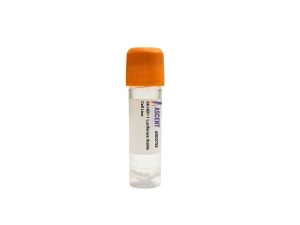
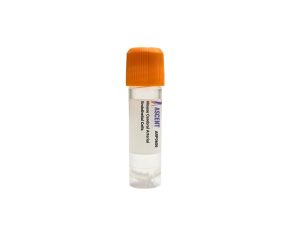
The Snx9 Knockout PC-12 Cell Line is a CRISPR/Cas9-edited knockout cell line derived from the rat pheochromocytoma PC-12 line, engineered to disrupt the sorting nexin 9 (SNX9) gene. SNX9 is a key mediator of clathrin-mediated endocytosis and actin remodeling, acting downstream of neurotrophin receptors such as TrkA and interacting with dynamin and the N-WASP?CArp2/3 complex to promote membrane trafficking and neurite outgrowth. In PC-12 cells, SNX9 knockout impairs NGF-induced neuronal differentiation, making this model ideal for studying endocytosis, neurotrophin signaling, and neurite outgrowth in the context of neurodegenerative disease research. Standard validation by Western blotting, immunofluorescence, and neurite length quantification is readily achievable.
The Snx9 Knockout PC-12 Cell Line is a CRISPR/Cas9-edited knockout cell line derived from the rat pheochromocytoma PC-12 line, engineered to disrupt the expression of sorting nexin 9 (SNX9). This loss-of-function model selectively abolishes SNX9 protein production to study clathrin-mediated endocytosis and its roles in neuronal differentiation, offering a physiologically relevant system in which SNX9-dependent membrane trafficking is ablated within a catecholamine-secreting cell background.
PC-12 cells, isolated from a rat adrenal pheochromocytoma, are a widely used model for neuronal differentiation. Upon exposure to nerve growth factor (NGF), these cells cease proliferation, extend neurites, and acquire a sympathetic-neuron-like phenotype characterized by catecholamine secretion and electrical excitability. The parental cells express the TrkA receptor and downstream effectors, providing a robust platform for investigating the molecular pathways underlying neurotrophin signaling and neurite outgrowth.
SNX9 couples phosphoinositide recognition to membrane bending and actin remodeling during clathrin-mediated endocytosis. It functions downstream of receptor tyrosine kinases??including TrkA, EGFR, and PDGFR??and integrins, and is recruited to PtdIns(3)P-rich membranes generated by PIK3C2A. SNX9 interacts with clathrin, the AP-2 complex, dynamin-1/2, and N-WASP (WASL) to activate the Arp2/3 complex, driving actin polymerization essential for vesicle scission. Thus, SNX9 integrates lipid signals, membrane dynamics, and actin assembly at endocytic sites.
In PC-12 cells, SNX9 knockout disrupts the endocytic trafficking of neurotrophin receptors such as TrkA, thereby impairing NGF-induced signaling cascades required for neuronal differentiation. This defect manifests as attenuated actin polymerization at the plasma membrane and diminished formation of clathrin-coated vesicles, culminating in severely reduced neurite outgrowth. The cell line thus recapitulates endocytic dysfunction observed in neurodegenerative disorders and cancers with altered endocytosis, enabling precise interrogation of SNX9??s role in membrane traffic and neuronal development.
This knockout cell line is suitable for a broad spectrum of experimental applications, including mechanistic studies of endocytosis, neuronal differentiation assays, and quantitative neurite outgrowth measurements. Researchers can utilize Western blotting to confirm SNX9 ablation, immunofluorescence to examine clathrin and actin distribution, NGF differentiation protocols, live-cell imaging of endocytic processes, and qPCR to monitor neuronal marker expression. The model is especially valuable for exploring neurotrophin signaling and establishing neurodegeneration models. For technical inquiries, please contact Ascent Research.