In Stock Cell Lines
Mus musculus (Mouse)
Skin
Adherent
The Sting1 Knockout B16-F10 Cell Line is a CRISPR/Cas9-edited murine melanoma cell line with targeted disruption of the Sting1 gene, encoding the stimulator of interferon genes (STING). STING functions as a critical innate immune adaptor downstream of cGAS, activating TBK1, IRF3, and NF-??B to drive production of type I interferons and pro-inflammatory cytokines such as IFNB1 and CXCL10. This knockout model enables investigation of STING-dependent pathways in tumor immunology, metastasis, and immunotherapy responses. It is suitable for cGAMP stimulation assays, phospho-signaling analysis, gene expression profiling, and in vivo tumor studies, providing a powerful tool for STING agonist screening and combination immunotherapy research.
 MIER3 Knockout K562 Polyclonal Cells
Cat. No. ARG19334
MYO1C Knockout NCI-H1299 Polyclonal Cells
Cat. No. ARG17458
BLOC1S3 Knockout HT29 Polyclonal Cells
Cat. No. ARG33154
EPHB4 Knockout AGS Polyclonal Cells
Cat. No. ARG2156
MIER3 Knockout K562 Polyclonal Cells
Cat. No. ARG19334
MYO1C Knockout NCI-H1299 Polyclonal Cells
Cat. No. ARG17458
BLOC1S3 Knockout HT29 Polyclonal Cells
Cat. No. ARG33154
EPHB4 Knockout AGS Polyclonal Cells
Cat. No. ARG2156
 Rabbit Pulmonary Microvascular Pericyte Medium
Cat. No. ARM0672
Rabbit Pulmonary Microvascular Pericyte Medium
Cat. No. ARM0672
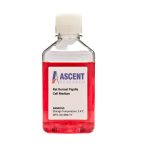 Rat Dermal Papilla Cell Medium
Cat. No. ARM0325
Rat Dermal Papilla Cell Medium
Cat. No. ARM0325
The Sting1 Knockout B16-F10 Cell Line is a genetically engineered mouse melanoma cell model generated by CRISPR/Cas9-mediated disruption of the Sting1 gene, encoding the stimulator of interferon genes protein (STING). This knockout cell line provides a defined loss-of-function system for investigating STING-dependent innate immune signaling in cancer, enabling precise dissection of its role in tumor immunology and therapeutic responses. As a stable knockout cell line, it serves as a reliable tool for both in vitro and in vivo studies requiring constitutive ablation of STING function.
Derived from the C57BL/6 mouse strain, the parental B16-F10 melanoma cell line is a highly metastatic subline selected for enhanced lung colonization, making it a cornerstone model for experimental metastasis research and immuno-oncology. These cells exhibit aggressive tumor growth and are frequently used to evaluate mechanisms of immune evasion, anti-tumor immunity, and the efficacy of immunotherapeutic interventions. The B16-F10 background is well-characterized for its poor immunogenicity, which can be modulated by STING pathway activation, highlighting the relevance of STING1 knockout in this context.
STING1 operates as an endoplasmic reticulum-resident adaptor protein that functions downstream of cyclic GMP-AMP synthase (cGAS), which synthesizes the cyclic dinucleotide 2’3′-cGAMP upon sensing cytosolic double-stranded DNA. Upon cGAMP binding, STING1 translocates from the ER to the Golgi apparatus, where it serves as a scaffold to recruit and activate TANK-binding kinase 1 (TBK1). Activated TBK1 subsequently phosphorylates interferon regulatory factor 3 (IRF3) and the inhibitor of ??B kinase (IKK) complex, promoting nuclear translocation of IRF3 and NF-??B. This triggers transcriptional induction of type I interferons such as interferon beta 1 (IFNB1) and pro-inflammatory chemokines including C-X-C motif chemokine ligand 10 (CXCL10), thereby orchestrating a potent innate immune response. Additional interactions with MAVS, ULK1, and other regulatory partners integrate STING1 signaling with broader cellular pathways, including autophagy and antiviral defense.
In the B16-F10 melanoma model, STING1-mediated sensing of tumor-derived DNA or exogenously delivered cyclic dinucleotides can stimulate innate immune activation, leading to enhanced tumor immunogenicity and recruitment of immune effector cells. The Sting1 knockout eliminates this pathway, allowing researchers to decipher STING1-dependent contributions to tumor progression, metastasis, and response to therapies such as immune checkpoint blockade. This model is particularly valuable for exploring how loss of STING1 influences the tumor microenvironment, including cytokine profiles, antigen presentation, and immune cell infiltration, thereby illuminating mechanisms that may contribute to immune evasion in STING-deficient tumors.
Researchers can employ the Sting1 Knockout B16-F10 Cell Line in a variety of assays, including cGAMP or cyclic dinucleotide stimulation experiments to assess downstream signaling defects by immunoblotting for phospho-TBK1 and phospho-IRF3, reverse-transcription quantitative PCR for Ifnb1 and Cxcl10 expression, and immunofluorescence microscopy to track STING trafficking. In vivo studies may involve subcutaneous tumor growth or experimental metastasis assays in syngeneic C57BL/6 mice, combined with treatments such as STING agonists or anti-PD-1 antibodies to evaluate combination immunotherapy. The knockout line also supports high-throughput screening of STING agonists or inhibitors and mechanistic studies of DNA damage-induced immune responses. For additional information, please contact Ascent Research.