
In Stock Cell Lines
Homo sapiens (Human)
Lung
Adherent
The NORAD Knockout BEAS-2B Cell Line is a CRISPR/Cas9-edited loss-of-function model in which the long non-coding RNA NORAD is disrupted in immortalized human bronchial epithelial cells. NORAD serves as a critical molecular decoy for PUMILIO proteins, preserving the expression of mitotic and DNA repair mRNAs such as CDK1 and BRCA1 downstream of the ATM/ATR-p53 signaling axis. Deletion of NORAD enables investigation of genomic stability maintenance, DNA damage response, and epithelial barrier regulation. This cell line is suited for applications in lung cancer research, lncRNA functional analysis, and drug sensitivity screens using agents like cisplatin and PARP inhibitors. Representative assays include RT-qPCR, western blotting, ??H2AX immunofluorescence, karyotyping, and cell cycle analysis, allowing comprehensive phenotyping of NORAD-dependent phenotypes.
 HERC1 Knockout Hela Polyclonal Cells
Cat. No. ARG25577
HERPUD2 Knockout 786-O Polyclonal Cells
Cat. No. ARG25248
BACE1 Knockout SK-HEP-1 Polyclonal Cells
Cat. No. ARG32318
CD34 Knockout CaSki Polyclonal Cells
Cat. No. ARG43527
HERC1 Knockout Hela Polyclonal Cells
Cat. No. ARG25577
HERPUD2 Knockout 786-O Polyclonal Cells
Cat. No. ARG25248
BACE1 Knockout SK-HEP-1 Polyclonal Cells
Cat. No. ARG32318
CD34 Knockout CaSki Polyclonal Cells
Cat. No. ARG43527
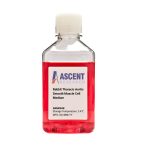 Rabbit Thoracic Aortic Smooth Muscle Cell Medium
Cat. No. ARM0698
Rabbit Thoracic Aortic Smooth Muscle Cell Medium
Cat. No. ARM0698
 RNF213 Knockout hCMEC/D3 Cell Line
Cat. No. ARG0269
RNF213 Knockout hCMEC/D3 Cell Line
Cat. No. ARG0269
The NORAD Knockout BEAS-2B Cell Line is a CRISPR/Cas9-mediated gene disruption model targeting the long non-coding RNA NORAD in the BEAS-2B host background. This stable knockout cell line enables loss-of-function studies of NORAD??s role in maintaining genomic integrity and modulating the DNA damage response. By ablating NORAD expression, researchers can elucidate its regulatory functions in a controlled setting, free from endogenous transcript activity.
The BEAS-2B cell line was immortalized from normal human bronchial epithelium through introduction of the adenovirus 12-SV40 hybrid virus. These cells retain key features of primary airway epithelial cells, including the ability to form tight junctions and participate in mucociliary clearance and inflammatory cytokine secretion. Their non-tumorigenic nature and bronchial origin make them particularly suitable for studying early genomic instability events relevant to lung carcinogenesis and epithelial barrier dysfunction.
NORAD is a long non-coding RNA that accumulates following DNA damage and functions as a molecular decoy for the PUMILIO proteins PUM1 and PUM2. This decoy activity is triggered by the ATM/ATR-p53 signaling axis: activated ATM and ATR kinases phosphorylate and stabilize p53, which transcriptionally induces NORAD. Binding of NORAD to PUMILIO prevents these RNA-binding proteins from destabilizing their target mRNAs, which encode key mitotic regulators (CDK1, CCNA2, CCNB1) and DNA repair factors (RAD51, BRCA1, PCNA). The interaction with RBMX further supports NORAD??s role in the DNA damage response, ensuring that post-transcriptional control of cell cycle and repair gene expression is appropriately coupled to genotoxic stress.
In bronchial epithelial cells, NORAD knockout is anticipated to impair the robust buffering of PUMILIO activity, leading to deficient expression of mitosis and DNA repair proteins. This deficiency can result in elevated chromosomal instability and compromised genomic maintenance, mimicking early stages of lung adenocarcinoma development. The BEAS-2B model also allows researchers to evaluate whether NORAD loss impairs epithelial barrier function and innate immune signaling, broadening its utility beyond cancer research to include airway homeostasis studies.
This cell line is optimized for diverse experimental applications, including mechanistic dissection of the DNA damage response pathway, lncRNA functional analysis, and drug sensitivity screening for aneuploidy-inducing or DNA repair-targeting agents such as cisplatin and PARP inhibitors. Typical downstream assays include RT-qPCR and western blotting for NORAD target validation, karyotyping and micronucleus testing for chromosomal aberrations, ??H2AX immunofluorescence and comet assays for DNA damage assessment, as well as cell cycle, apoptosis, colony formation, and migration analyses. The model also supports investigations into how NORAD deficiency influences epithelial repair and inflammatory responses. For additional information or to place an order, please contact Ascent Research.

