In Stock Cell Lines
Homo sapiens (Human)
Lung
Adherent
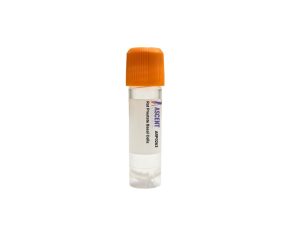
The YAP1 Knockout BEAS-2B Cell Line provides a CRISPR/Cas9-based gene-disrupted model of the Hippo effector YAP1 in immortalized normal human bronchial epithelial cells. This knockout cell line is ideal for studying YAP1??s role in epithelial-mesenchymal transition (EMT), proliferation, and airway homeostasis, processes frequently dysregulated in respiratory diseases. YAP1 functions as a transcriptional co-activator for TEAD1-4, driving expression of target genes such as CTGF and CYR61, and is regulated by MST1/2?CLATS1/2 kinases. Applications include lung cancer and fibrosis research, drug screening, and mechanistic studies employing Western blot, RT-qPCR, TEAD luciferase reporter assays, and immunofluorescence.
 Human Cancer Associated Fibroblasts (CAF)
Cat. No. ARP1014
Human Cancer Associated Fibroblasts (CAF)
Cat. No. ARP1014
 NCOA2 Knockout Hela Polyclonal Cells
Cat. No. ARG8465
KIAA0319L Knockout 786-O Polyclonal Cells
Cat. No. ARG25414
BLOC1S4 Knockout NCI-H1975 Polyclonal Cells
Cat. No. ARG31353
CBS Knockout K562 Polyclonal Cells
Cat. No. ARG42744
PARP1 Knockout THP-1 Polyclonal Cells
Cat. No. ARG7353
NCOA2 Knockout Hela Polyclonal Cells
Cat. No. ARG8465
KIAA0319L Knockout 786-O Polyclonal Cells
Cat. No. ARG25414
BLOC1S4 Knockout NCI-H1975 Polyclonal Cells
Cat. No. ARG31353
CBS Knockout K562 Polyclonal Cells
Cat. No. ARG42744
PARP1 Knockout THP-1 Polyclonal Cells
Cat. No. ARG7353
The YAP1 Knockout BEAS-2B Cell Line is a CRISPR/Cas9-edited human bronchial epithelial cell model featuring targeted disruption of the YAP1 gene, providing a stable loss-of-function system. This knockout cell line serves as a reliable tool for dissecting YAP1-dependent signaling pathways in airway epithelial biology, eliminating confounding effects from transient knockdown methods. Loss of YAP1 function allows precise investigation of its contributions to transcriptional regulation, cell proliferation, and epithelial-mesenchymal transition (EMT).
BEAS-2B cells are an immortalized normal human bronchial epithelial cell line derived from non-tumorigenic airway epithelium. Widely used in respiratory research, they retain key features of primary bronchial epithelial cells, including polarization and tight junction formation, and respond to growth factors and mechanical stress. Their non-transformed background provides a clean genetic context for studying oncogenic transformation, EMT, and epithelial homeostasis without pre-existing mutations typical of cancer cell lines, making them ideal for modeling early events in lung carcinogenesis and fibrosis.
YAP1 (Yes-associated protein 1) is a transcriptional co-activator and the principal effector of the Hippo tumor suppressor pathway. Activated MST1/2 and LATS1/2 kinases, scaffolded by SAV1 and MOB1, phosphorylate YAP1, leading to 14-3-3-mediated cytoplasmic sequestration and degradation. When the pathway is off, unphosphorylated YAP1 enters the nucleus, binds TEAD1-4 transcription factors, and induces target genes including CTGF, CYR61, AXL, and BIRC5, promoting proliferation, survival, and EMT. Crosstalk with Wnt/??-catenin, TGF-??/SMAD, and MAPK/ERK pathways, along with regulators like NF2, AMOT, and PTPN14, further modulate YAP1, while VGLL4 and AMOT proteins provide negative regulation by competing for TEAD binding or sequestering YAP1 at tight junctions.
In the BEAS-2B bronchial epithelial context, YAP1 knockout enables precise analysis of its role in airway homeostasis and disease. YAP1 promotes EMT and stemness, and its dysregulation is linked to non-small cell lung cancer, pulmonary fibrosis, and asthma. Comparing knockout and parental cells allows assessment of YAP1-dependent EMT, wound healing, and apoptosis resistance following TGF-?? treatment. This model is valuable for studying how mechanical cues and cell density control YAP1 localization, and for dissecting its interactions with ??-catenin and SMAD2/3 at the nexus of fibrotic and oncogenic signaling.
This knockout cell line supports diverse molecular and cellular assays. Western blotting for total and phospho-YAP1 confirms gene disruption, while RT-qPCR measures YAP1 target gene expression (e.g., CTGF, CYR61). Immunofluorescence visualizes YAP1 nuclear-cytoplasmic shuttling. TEAD luciferase reporter assays quantify transcriptional activity, and wound healing/migration assays evaluate YAP1??s effect on motility. Co-immunoprecipitation of YAP1-TEAD complexes probes protein interactions. The model is ideal for high-throughput screening of YAP1 inhibitors and for investigating drug resistance mechanisms. For further information, please contact Ascent Research.