Warning: Constant WP_DEBUG already defined in /www/wwwroot/ovaryresearch.com/wp-config.php on line 103

Warning: Constant WP_DEBUG_LOG already defined in /www/wwwroot/ovaryresearch.com/wp-config.php on line 104

Warning: Constant WP_DEBUG_DISPLAY already defined in /www/wwwroot/ovaryresearch.com/wp-config.php on line 105
Sensory Organs | Product categories | ovaryresearch.com
Home / Products / Sensory Organs

Sensory Organs

The main sensory organs in the body are eyes, nose, ears, tongue and skin, responsible for the sense: sight, hearing, smell, taste, and touch, respectively. These sensory organs comprise sensory receptors and accessory structures, which work together to convert external stimuli to nerve impulses. These nerve impulses are then transmitted into brain through nervous system for processing and integration, enabling perception and response to the external environment.

In this category, we mainly focus on eye-related sensory cell models, including a broad range of retinal cells and anterior segment cell types used in vision research and ocular disease modeling. Available cell types include retinal ganglion cells, retinal pigment epithelial cells (RPE cells), and vascular components such as human retinal microvascular endothelial cells, which are essential for studies of retinal function, degeneration, and diabetic retinopathy. Additional retinal-supporting populations include retinal astrocytes and retinal microglia.

For corneal and anterior eye research, we provide human corneal epithelial cells and human corneal endothelial cells, as well as human lens epithelial cells for studies of corneal biology, transparency, wound healing, and cataract formation. Glaucoma and aqueous humor outflow research is supported by trabecular meshwork models, including human trabecular meshwork cells. Together, these specialized ocular cell models enable advanced research in ophthalmology, sensory biology, drug development, and ocular toxicity assessment.
Showing 12 of 94 results

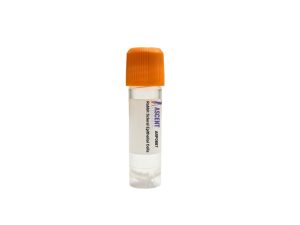
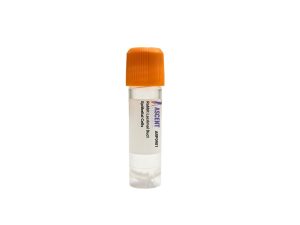
Rabbit Conjunctival Epithelial Cells

Research on the Rabbit Conjunctival Epithelial Cells is essential to the study of dry eye disease, viral/bacterial conjunctivitis (adenoviral, chlamydial), allergic eye disease, squamous metaplasia,…
Cat. No. ARP0877

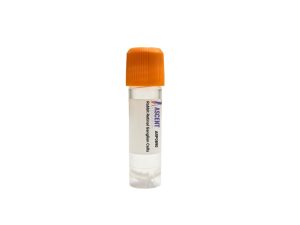
Rabbit Conjunctival Fibroblasts

Research on the Rabbit Conjunctival Fibroblasts is essential to the study of conjunctival fibrosis (e.g., pterygium, post-trabeculectomy scarring), ocular cicatricial pemphigoid, Stevens-Johnson syndrome complications, allergic…
Cat. No. ARP0876

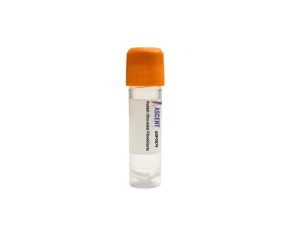
Rabbit Lens Epithelial Cells

Research on the Rabbit Lens Epithelial Cells is essential to the study of cataract formation (age-related and diabetic), posterior capsule opacification (PCO), anterior subcapsular cataract,…
Cat. No. ARP0875

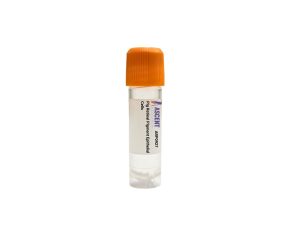
Rabbit Retinal Pigment Epithelial Cells

Research on the Rabbit Retinal Pigment Epithelial Cells is essential to the study of proliferative retinopathy, age-related macular degeneration (AMD), retinitis pigmentosa, Stargardt disease, diabetic…
Cat. No. ARP0874

Rabbit Corneal Stromal Cells

Research on the Rabbit Corneal Stromal Cells is essential to the study of dry eye disease, corneal abrasions/ulcers, infectious keratitis (bacterial/viral/fungal), limbal stem cell deficiency,…
Cat. No. ARP0873

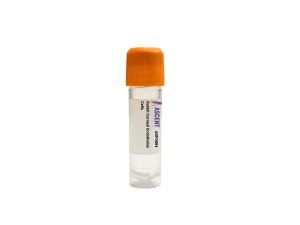
Rabbit Corneal Epithelial Cells

Research on the Rabbit Corneal Epithelial Cells is essential to the study of dry eye disease, corneal abrasions/ulcers, infectious keratitis (bacterial/viral/fungal), limbal stem cell deficiency,…
Cat. No. ARP0872

Rabbit Middle Ear Epithelial Cells

Research on the Rabbit Middle Ear Epithelial Cells is essential to the study of otitis media and cholesteatoma. The ear is the organ responsible for…
Cat. No. ARP0823

Rabbit Auricular Chondrocytes

Research on the Rabbit Auricular Chondrocytes is essential to the study of cartilage repair studies, microtia reconstruction models, polychondritis research, traumatic ear deformity investigations, and…
Cat. No. ARP0822

Mouse Lacrimal Duct Epithelial Cells

Research on the Mouse Lacrimal Duct Epithelial Cells is essential to the study of dacryostenosis, dry eye disease, lacrimal duct inflammation, and post-traumatic scarring. The…
Cat. No. ARP0658

Mouse Ciliary Muscle Cells

Research on the Mouse Ciliary Muscle Cells is essential to the study of presbyopia, accommodative dysfunction, cyclitis, and pharmacological paralysis studies. The ciliary muscle is…
Cat. No. ARP0657

Mouse Trabecular Meshwork Cells

Research on the Mouse Trabecular Meshwork Cells is essential to the study of primary open-angle glaucoma, steroid-induced glaucoma, pseudoexfoliation glaucoma, trabecular meshwork dysfunction in uveitic…
Cat. No. ARP0655

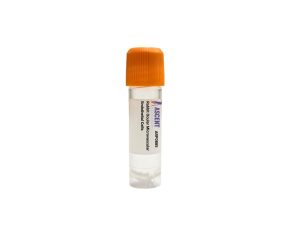
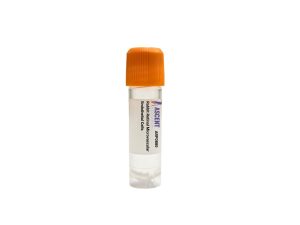
Mouse Ocular Microvascular Endothelial Cells

Research on the Mouse Ocular Microvascular Endothelial Cells is essential to the study of uveitis, glaucoma-associated vascular dysfunction, corneal neovascularization, and ocular ischemic syndrome. The…
Cat. No. ARP0654

Loading products...