In Stock Cell Lines
Homo sapiens (Human)
Kidney
Adherent
The GCN1 Knockout HEK293 Cell Line is a CRISPR/Cas9-edited knockout cell line derived from HEK293 cells, designed for studying GCN1-mediated amino acid sensing and the integrated stress response. GCN1 functions as a scaffold that activates GCN2 kinase, leading to eIF2?? phosphorylation and ATF4-driven transcription of stress genes such as CHOP and ATF3. This knockout model enables investigation of translational control, stress signaling, and crosstalk with mTORC1, incorporating key regulators like Sestrin2 and CASTOR1. It supports applications in cancer biology, metabolic disorders, and drug discovery, using assays such as western blotting, reporter assays, and co-immunoprecipitation.
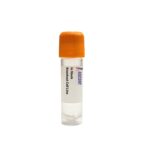 PUS7 Knockout SK-OV-3 Cell Line
Cat. No. ARG44068
PUS7 Knockout SK-OV-3 Cell Line
Cat. No. ARG44068
 ARL6IP5 Knockout HGC-27 Polyclonal Cells
Cat. No. ARG29615
DEAF1 Knockout A549 Polyclonal Cells
Cat. No. ARG10116
FLVCR1 Knockout HEK293T Polyclonal Cells
Cat. No. ARG3779
ARL6IP5 Knockout HGC-27 Polyclonal Cells
Cat. No. ARG29615
DEAF1 Knockout A549 Polyclonal Cells
Cat. No. ARG10116
FLVCR1 Knockout HEK293T Polyclonal Cells
Cat. No. ARG3779
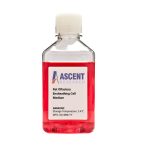 Rat Olfactory Ensheathing Cell Medium
Cat. No. ARM0382
Rat Olfactory Ensheathing Cell Medium
Cat. No. ARM0382
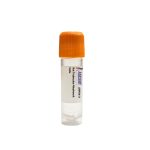 Rat Trabecular Meshwork Cells
Cat. No. ARP0411
Rat Trabecular Meshwork Cells
Cat. No. ARP0411
The GCN1 Knockout HEK293 Cell Line is a CRISPR/Cas9-edited knockout cell line that provides a stable loss-of-function model for investigating the role of GCN1 in amino acid sensing and the integrated stress response. Through CRISPR/Cas9-mediated gene disruption of the GCN1 locus in HEK293 cells, this cell line offers a defined genetic background for probing GCN2 (EIF2AK4)-dependent signaling and translational control mechanisms.
The host cell line, HEK293, is a human embryonic kidney epithelial cell line transformed with adenovirus 5 DNA, renowned for its ease of culture, high transfection efficiency, and utility in recombinant protein expression and viral production. Its epithelial origin and extensive use in stress biology research render it an ideal platform for studying nutrient deprivation responses and the associated signaling networks.
GCN1 serves as a scaffold protein that senses amino acid deprivation and activates the kinase GCN2 (EIF2AK4). Upon amino acid depletion or mTORC1 inhibition, GCN1 forms a complex with GCN20 and facilitates GCN2 activation. Active GCN2 phosphorylates eIF2??, which globally represses translation while selectively enhancing translation of ATF4, a transcription factor that upregulates stress-responsive genes including CHOP, ATF3, and factors controlling autophagy and apoptosis. This pathway integrates with mTORC1 signaling via Raptor and is modulated by amino acid sensors such as Sestrin2 and CASTOR1. Additionally, GCN1 interacts with IMPACT, RACK1, and ABCF family proteins, positioning it as a critical node linking nutrient status to cellular fate.
In HEK293 cells, endogenous GCN1 participates in the adaptive response to amino acid limitation, and its knockout enables dissection of GCN2-driven versus alternative stress pathways. This cell line is particularly valuable for examining how loss of GCN1 rewires stress signaling and impacts cell survival, metabolic adaptation, and apoptotic responses in an epithelial context. The platform supports cancer biology and metabolic disorder research by providing a clean genetic model to study the interplay between the integrated stress response and mTOR-regulated growth.
Researchers can employ this cell line in diverse assays, including western blotting for phospho-eIF2?? and ATF4, RT-qPCR analysis of stress-responsive genes, ATF4-driven luciferase reporter assays, and amino acid starvation/recovery experiments. Co-immunoprecipitation of GCN1 with GCN2 and other interactors, flow cytometry-based apoptosis detection, and cell viability assays under nutrient stress conditions further extend its utility. Applications encompass drug target validation for GCN2 pathway modulators, mechanistic studies in cancer and neurodegeneration, and screening platforms for metabolic regulators. For additional information, please contact Ascent Research.