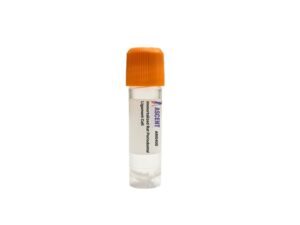
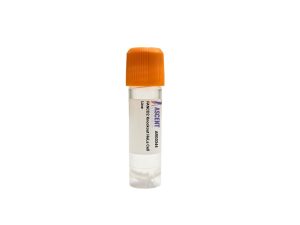
In Stock Cell Lines
Homo sapiens (Human)
Liver
Adherent
The HIF1A Knockout PLC/PRF/5 Cell Line is a CRISPR/Cas9-edited loss-of-function model featuring disruption of the hypoxia-inducible factor 1 alpha gene in a human hepatocellular carcinoma cell line. PLC/PRF/5 cells harbor integrated HBV and express HBsAg, providing a relevant platform for studying HIF1A in liver cancer and viral oncogenesis. This knockout enables investigation of hypoxia signaling, angiogenesis (via VEGF), metabolic reprogramming (via GLUT1, LDHA), and drug resistance. Applications include tumor microenvironment modeling, sorafenib sensitivity assays, and dissection of HIF1A-dependent pathways using HRE reporters, Western blotting, and metabolic profiling.
 DCXR Knockout NCI-H1975 Polyclonal Cells
Cat. No. ARG16545
LRPAP1 Knockout SK-HEP-1 Polyclonal Cells
Cat. No. ARG15432
BTN1A1 Knockout HAP1 Polyclonal Cells
Cat. No. ARG35972
NSD3 Knockout HEK293T Polyclonal Cells
Cat. No. ARG3955
FAM229B Knockout HEK293T Polyclonal Cells
Cat. No. ARG3338
DCXR Knockout NCI-H1975 Polyclonal Cells
Cat. No. ARG16545
LRPAP1 Knockout SK-HEP-1 Polyclonal Cells
Cat. No. ARG15432
BTN1A1 Knockout HAP1 Polyclonal Cells
Cat. No. ARG35972
NSD3 Knockout HEK293T Polyclonal Cells
Cat. No. ARG3955
FAM229B Knockout HEK293T Polyclonal Cells
Cat. No. ARG3338
 Plat-E
Cat. No. ARI0098
Plat-E
Cat. No. ARI0098
The HIF1A Knockout PLC/PRF/5 Cell Line is a CRISPR/Cas9-edited knockout cell line that provides a targeted disruption of the HIF1A gene in a human hepatocellular carcinoma background. This loss-of-function model enables precise investigation of HIF1A-dependent biological processes without altering the broader genomic context. As a stable cell line, it offers a consistent and renewable resource for functional studies, pathway analysis, and drug discovery applications centered on hypoxia signaling and liver cancer biology.
The host cell line, PLC/PRF/5, is an epithelial hepatocellular carcinoma line originally derived from a patient with primary liver cancer. It harbors an integrated hepatitis B virus (HBV) genome and constitutively expresses hepatitis B surface antigen (HBsAg), making it a valuable tool for HBV-related hepatocarcinogenesis research. Widely employed in liver cancer and hypoxia studies, PLC/PRF/5 cells exhibit tumorigenic properties and respond to oxygen deprivation, thereby serving as a physiologically relevant platform for dissecting molecular mechanisms underlying hepatocellular carcinoma progression and therapeutic resistance.
HIF1A encodes the alpha subunit of hypoxia-inducible factor 1, a master transcriptional regulator of the cellular response to low oxygen. Under normoxia, HIF1A is hydroxylated by prolyl hydroxylases (PHD1/2/3), recognized by the von Hippel-Lindau (VHL) E3 ubiquitin ligase complex, and targeted for proteasomal degradation. Upon hypoxia, hydroxylation is inhibited, stabilizing HIF1A, which translocates to the nucleus, heterodimerizes with HIF1B (ARNT), and binds hypoxia response elements (HREs) in target gene promoters. This complex interacts with coactivators p300/CBP and other factors such as STAT3 and NF-??B to transcriptionally activate genes involved in angiogenesis (VEGF), metabolic reprogramming (GLUT1, LDHA, PDK1), erythropoiesis (EPO), and survival (BNIP3, CA9). Upstream signals including PI3K/AKT, mTOR, and reactive oxygen species further modulate HIF1A activity, integrating growth factor and nutrient cues with oxygen availability.
In hepatocellular carcinoma, HIF1A drives tumor angiogenesis, metabolic adaptation, invasion, and resistance to chemotherapy and targeted agents such as sorafenib. The PLC/PRF/5 background, with its HBV integration, provides a clinically relevant context to study how hypoxia signaling cooperates with viral oncogenesis. Knockout of HIF1A in this cell line allows researchers to dissect HIF1A-specific contributions to malignant phenotypes, distinguishing hypoxia-dependent from hypoxia-independent oncogenic pathways. This model is particularly useful for investigating crosstalk between hypoxia, inflammation, and metabolic reprogramming in HBV-associated liver cancer.
This knockout cell line supports a broad range of experimental applications, including hypoxia exposure studies, analysis of drug sensitivity, and assessment of angiogenic and metabolic profiles. Researchers can perform Western blotting and RT-qPCR to confirm loss of HIF1A and downstream targets (e.g., VEGF, GLUT1), evaluate cell viability and migration under hypoxia, use HRE-luciferase reporters to measure transcriptional activity, conduct ChIP-qPCR for promoter occupancy, and assay metabolic parameters such as glucose uptake and lactate production. It also facilitates high-content screening for modulators of the hypoxia pathway and evaluation of HIF1A-dependent tumor?Cstroma interactions. For further details or inquiries, please contact Ascent Research.